
No products in the cart.
Aloha Wear
Are Hawaiian Shirts in Style in 2026? A Complete Fashion & Culture Breakdown
08
Feb
Feb
Are Hawaiian shirts in style in 2026? The question resurfaces every few years as fashion cycles evolve and cultural aesthetics shift. Once stereotyped as purely vacation attire, Hawaiian shirts have gradually reentered mainstream wardrobes in refined and contemporary forms. Understanding their current relevance requires separating outdated perceptions from modern design adaptations. In 2026, Hawaiian shirt fashion reflects a balance between heritage, fit refinement, and contextual styling.
Rather than evaluating Hawaiian shirts as a monolithic category, it is essential to consider silhouette, pattern control, fabric quality, and cultural awareness. The modern interpretation differs significantly from loud novelty prints of past decades. Today’s versions align with broader shifts in American dress codes, where expressive yet structured casualwear has become widely accepted. The answer, therefore, is nuanced rather than binary.
Are Hawaiian Shirts in Style in 2026?
The Direct Answer in Today’s Fashion Climate
In 2026, Hawaiian shirts are in style—but selectively. The contemporary fashion landscape values individuality balanced with restraint. Modern consumers gravitate toward garments that combine heritage identity with wearable refinement. When executed with thoughtful proportions and controlled color palettes, Hawaiian shirts integrate seamlessly into casual and smart-casual wardrobes.
However, “in style” no longer means universally trending across all demographics. Instead, relevance depends on context, fit, and overall presentation. Slimmer cuts, breathable premium fabrics, and subtle botanical prints dominate current interpretations, replacing oversized silhouettes and exaggerated graphics that once defined mass-market versions.
What “In Style” Means in 2026
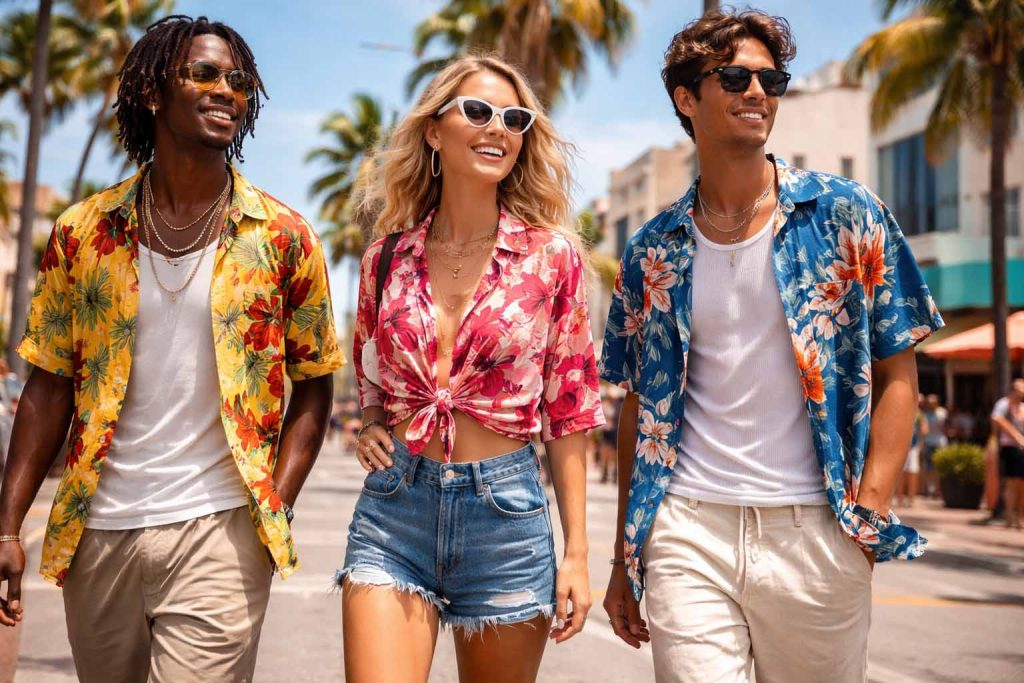
The concept of being in style in 2026 differs from past decades. Modern fashion prioritizes adaptability and personal expression over rigid trend adherence. Social media accelerates micro-trends, yet long-term wardrobe staples often outlast fleeting viral aesthetics. Hawaiian shirts persist because they offer a recognizable identity that can be reinterpreted rather than replaced.
In this climate, being in style means being contextually appropriate and proportionally balanced. A well-fitted Hawaiian shirt paired with tailored trousers or structured footwear reads contemporary, while outdated cuts and overly saturated novelty prints can appear disconnected from current sensibilities.
Trend vs Timeless Garment in a Post-Minimalist Era
The resurgence of expressive garments in the post-minimalist era has reintroduced patterns and color into mainstream fashion. After years dominated by neutral palettes and streamlined silhouettes, consumers increasingly seek visual texture and personality. Hawaiian shirts fulfill this demand by combining bold heritage prints with evolving tailoring.
This shift highlights an important distinction: Hawaiian shirts may fluctuate in trend intensity, but their botanical foundation gives them timeless potential. When designed thoughtfully, they transcend short-term fashion spikes and maintain consistent relevance across decades.
The Evolution of Hawaiian Shirt Fashion
Golden Era Popularity (1930s–1950s)
Hawaiian shirt fashion gained widespread attention in the mid-20th century when tourism and Hollywood visibility amplified its reach. Early floral and scenic prints embodied the imagery of tropical leisure, transforming the shirt into a global symbol of relaxed sophistication. During this era, patterns were bold yet artistically detailed, reflecting craftsmanship rather than novelty.
The golden era established the visual DNA of Hawaiian shirts: camp collars, lightweight fabrics, and botanical motifs. These foundational elements continue to influence modern reinterpretations, even as cuts and materials evolve.
The Stereotype Phase and Cultural Oversimplification
By the late 20th century, mass production diluted craftsmanship and exaggerated print intensity. Loud novelty designs and oversized fits contributed to stereotypes that framed Hawaiian shirts as costume-like or outdated. The nuance of Hawaiian shirt fashion was overshadowed by commercial oversimplification.
This period temporarily reduced mainstream credibility, particularly in urban fashion contexts. However, even during this phase, niche communities continued appreciating authentic botanical prints rooted in cultural heritage.
The 2020s Revival and 2026 Refinement
The 2020s marked a revival driven by nostalgia and reinterpretation. Designers revisited archival patterns, updated fabric blends, and refined tailoring to align with contemporary expectations. By 2026, this revival matured into a more controlled aesthetic, where fit precision and tonal balance became central.
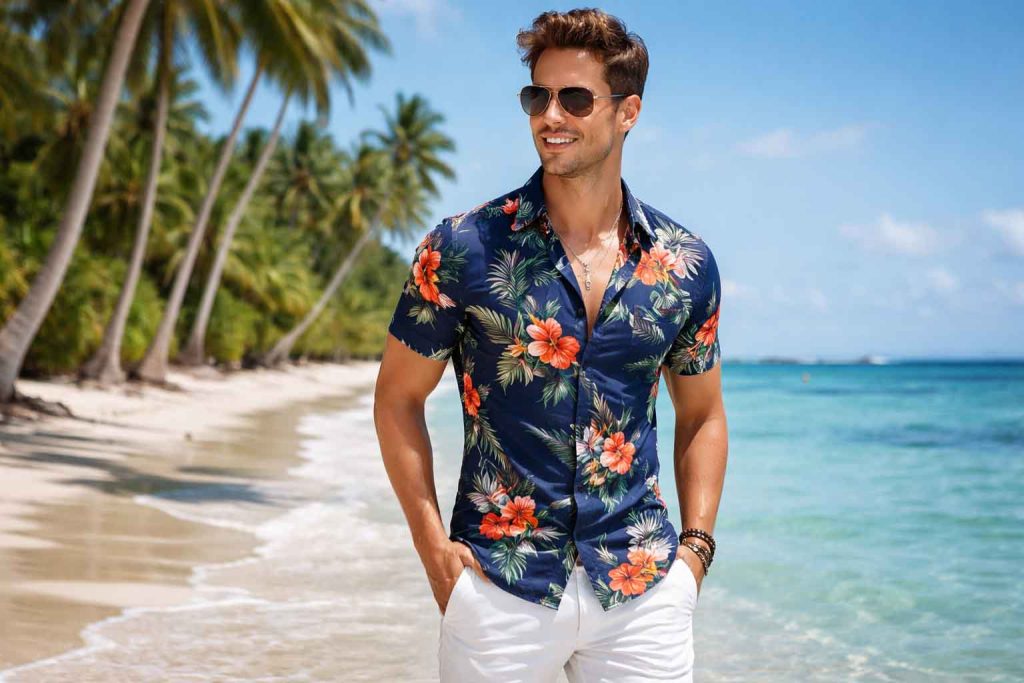
Rather than replicating past decades, modern Hawaiian shirt fashion integrates subtlety. Dark-base florals, slim silhouettes, and premium cotton or linen fabrics reflect a shift toward elevated casualwear rather than exaggerated tropical theatrics.
Current Hawaiian Shirt Trends in 2026
Controlled Color Palettes and Dark Florals
One of the most visible hawaiian shirt trends in 2026 involves controlled palettes. Deep navy, charcoal, forest green, and muted burgundy backgrounds dominate seasonal releases. These darker bases soften the visual intensity of botanical prints while preserving tropical identity.
The restrained color approach allows Hawaiian shirts to integrate more easily into everyday wardrobes. Instead of overwhelming an outfit, modern prints complement neutral trousers and minimalist footwear, achieving balance without sacrificing character.
Tailored Fits Replacing Oversized Cuts
Tailoring has become a decisive factor in determining whether Hawaiian shirts feel modern or outdated. Contemporary fits emphasize clean shoulder lines, moderate drape, and proportional sleeve length. Oversized, shapeless silhouettes associated with past stereotypes have largely faded from trend-forward collections.
This emphasis on structure elevates perception. A properly fitted Hawaiian shirt communicates intentional styling rather than novelty. The refinement aligns with broader movements toward polished casualwear in menswear and unisex fashion.
Premium Fabrics and Elevated Construction
Fabric quality significantly influences modern appeal. Breathable cotton blends, linen variations, and improved dye techniques enhance durability and texture. Elevated construction details, such as reinforced seams and structured collars, differentiate contemporary pieces from low-quality imitations.
This investment in craftsmanship strengthens Hawaiian shirt fashion in 2026. Consumers increasingly value longevity and material integrity, making quality-driven designs more desirable than disposable trend pieces.
Why Hawaiian Shirts Remain Relevant in 2026
Continued Casualization of American Fashion
Over the past decade, American dress codes have shifted dramatically toward relaxed structures. Remote work normalization, hybrid office environments, and evolving cultural expectations have reduced the dominance of rigid formalwear. Within this broader casualization, Hawaiian shirt fashion benefits from increased flexibility in everyday styling. The garment aligns with the desire for comfort while still offering visual personality.
This cultural shift explains why Hawaiian shirts no longer feel confined to vacation settings. When styled with tailored trousers or minimalist sneakers, they reflect contemporary casual confidence rather than outdated resort imagery. The evolution of context plays a critical role in answering whether Hawaiian shirts are in style in 2026.
Nostalgia Combined With Modern Refinement
Fashion cycles frequently revisit past decades, but successful revivals depend on refinement rather than replication. The renewed interest in mid-century aesthetics has contributed to the visibility of botanical prints. However, designers in 2026 reinterpret these motifs with improved fit and controlled palette choices, preventing them from appearing costume-like.
This hybrid of nostalgia and modernization ensures that Hawaiian shirts maintain emotional familiarity while fitting seamlessly into contemporary wardrobes. Instead of appearing as relics, they function as updated classics.
Social Media and Visual Culture Influence
Visual-first platforms have accelerated pattern visibility and micro-trend adoption. Hawaiian shirts, with their high-contrast botanical prints, perform strongly in image-driven environments. Influencers and stylists often incorporate them into curated urban looks, reinforcing their legitimacy beyond beach settings.
While virality alone does not guarantee longevity, sustained digital presence supports ongoing cultural relevance. Hawaiian shirt trends continue to circulate online, influencing purchasing behavior and reinforcing seasonal demand.
Are Hawaiian Shirts Business Casual in 2026?
Post-Remote Work Office Culture
Hybrid workplaces have redefined professional dress codes. As organizations adopt more flexible attire standards, employees gain greater autonomy in self-expression. This shift raises the question: are hawaiian shirts business casual in modern office environments? The answer depends heavily on industry and styling.
In creative or tech-oriented spaces, muted floral shirts paired with structured trousers can align with business casual expectations. However, conservative corporate sectors may still require more traditional button-down alternatives.
Industry-Specific Acceptance
Acceptance varies significantly between industries. Creative agencies, startups, and design firms often welcome expressive garments that demonstrate personality. In these contexts, Hawaiian shirts feel aligned with collaborative culture and relaxed hierarchy.
Conversely, legal, finance, and high-level consulting environments typically prioritize conservative presentation. In such settings, the question of whether Hawaiian shirts are business casual becomes more restrictive. Context, therefore, remains decisive.
Smart Styling to Maintain Professional Balance
When incorporating Hawaiian shirts into professional settings, proportion and restraint matter most. Choosing darker base prints, ensuring a tailored fit, and pairing with structured footwear elevates perception. The shirt must integrate into a cohesive outfit rather than dominate it.
This approach demonstrates that the garment’s relevance depends less on inherent formality and more on execution. Styling ultimately determines whether Hawaiian shirts feel contemporary or misplaced.
Who Is Wearing Hawaiian Shirts in 2026?
Gen Z and Emerging Style Blends
Younger demographics embrace expressive fashion experimentation. Gen Z frequently pairs Hawaiian shirts with relaxed trousers, vintage sneakers, and layered accessories. The combination reflects fluid boundaries between streetwear and heritage garments.
This demographic contributes to sustained interest by redefining context. Rather than associating Hawaiian shirts strictly with tourism, younger consumers reinterpret them as aesthetic tools for individuality.
Millennials Refining Casual Wardrobes
Millennials often approach Hawaiian shirt fashion with greater restraint. Slim silhouettes, muted florals, and premium fabrics align with mature casual wardrobes. The emphasis shifts from loud novelty toward understated botanical elegance.
This refinement strengthens the argument that Hawaiian shirts are in style in 2026, particularly when integrated into balanced smart-casual ensembles.
Creative Professionals and Urban Stylists
Photographers, designers, and stylists incorporate Hawaiian shirts into layered outfits that emphasize texture and contrast. Urban contexts now accommodate botanical prints when combined with minimalist outerwear and neutral basics.
This adoption by visually influential communities reinforces legitimacy and contributes to ongoing trend stability.
Hawaiian Shirts in Matching & Coordinated Looks
Couples and Family Styling Trends
Coordinated outfits remain popular in 2026, particularly for travel and event photography. Matching Hawaiian Outfits provide visual cohesion while allowing individual variation in pattern scale and color tone. Botanical consistency enhances group harmony without requiring identical garments.
When styled thoughtfully, Matching Hawaiian Outfits feel celebratory rather than theatrical. The emphasis lies in subtle coordination rather than costume replication.
Corporate Retreats and Branded Events
Company retreats increasingly adopt relaxed dress codes, encouraging themed coordination. Hawaiian shirts, particularly muted floral versions, create cohesive branding opportunities without compromising professionalism.
The group dynamic reinforces positive cultural associations while maintaining stylistic control, further supporting their relevance in 2026.
Social Media Influence on Group Styling
Visual platforms amplify coordinated aesthetics. Group images featuring botanical harmony perform strongly online, reinforcing the popularity of Matching Hawaiian Outfits in event settings.
Digital visibility sustains demand by linking Hawaiian shirts with memorable experiences rather than outdated stereotypes.
When Hawaiian Shirts Feel Outdated in 2026
Poor Fit and Low-Quality Fabric
Oversized, shapeless cuts immediately undermine modern appeal. Without structural balance, Hawaiian shirts revert to dated perceptions. Fabric quality further influences visual credibility; thin, low-grade materials often appear inexpensive.
Fit precision and material integrity therefore separate trend-forward pieces from obsolete iterations.
Overly Loud Novelty Prints
Exaggerated graphics and novelty themes overshadow botanical elegance. Such designs may function as costumes but rarely align with contemporary fashion priorities. In 2026, subtlety and refinement carry greater influence.
Choosing controlled floral compositions ensures longevity and avoids trend fatigue.
Imbalanced Styling Choices
Pairing Hawaiian shirts with conflicting elements, such as overly distressed garments or inappropriate footwear, can distort perception. Modern styling emphasizes balance between expressiveness and structure.
When coordination fails, the garment appears disconnected from broader fashion evolution.
Forecast Beyond 2026: Will Hawaiian Shirts Stay in Style?
Cyclical Fashion Patterns
Fashion operates in cycles rather than linear progression. Botanical prints have resurfaced repeatedly across decades, adapting to new silhouettes and fabric innovations. This recurring pattern suggests continued relevance rather than permanent decline.
As long as designers reinterpret foundational elements with restraint and quality, Hawaiian shirts are likely to remain intermittently prominent.
Sustainability and Long-Term Wearability
Consumers increasingly prioritize durable garments over disposable trends. High-quality Hawaiian shirts constructed from breathable fabrics can serve as long-term wardrobe components rather than seasonal novelties.
Longevity supports sustained demand and reinforces cultural permanence.
Cultural Permanence vs Temporary Trend
Unlike purely trend-driven garments, Hawaiian shirts possess cultural depth. Their botanical motifs and heritage origins provide narrative value that extends beyond seasonal hype.
This embedded meaning contributes to resilience. Even if prominence fluctuates, foundational relevance persists.
Final Verdict: Are Hawaiian Shirts in Style in 2026?
Situational Relevance Defines the Answer
Hawaiian shirts are in style in 2026 when executed with proportion, restraint, and contextual awareness. Modern tailoring, muted palettes, and premium fabrics distinguish current interpretations from outdated stereotypes.
The garment’s adaptability allows it to function across vacation, urban, and select professional contexts.
Styling Determines Perception
Ultimately, styling determines whether Hawaiian shirts appear contemporary or dated. Pairing them with structured basics and refined accessories reinforces intentional design.
Without balance, even high-quality prints can lose credibility.
The Confident, Nuanced Conclusion
The answer to whether Hawaiian shirts are in style in 2026 is neither absolute yes nor categorical no. They remain relevant when chosen and styled thoughtfully. Fashion cycles may fluctuate, but botanical heritage ensures continued reinterpretation.
In today’s climate, confidence and execution matter more than trend conformity. Hawaiian shirt fashion thrives where individuality meets proportionate refinement.
FAQ – Are Hawaiian Shirts in Style in 2026?
Are Hawaiian shirts in style in 2026?
Yes, Hawaiian shirts are in style in 2026 when selected with modern fit and controlled color palettes. Contemporary tailoring and refined prints distinguish them from outdated novelty versions.
Why are Hawaiian shirts trending again?
Nostalgia, social media visibility, and relaxed dress codes contribute to renewed interest. Designers have refined silhouettes and fabrics to align with modern preferences.
Are Hawaiian shirts business casual?
In certain industries, Hawaiian shirts can function within business casual frameworks when styled with restraint. Dark-base florals and tailored fits improve professional adaptability.
Are Matching Hawaiian Outfits still popular?
Yes, coordinated looks remain popular for events, vacations, and group styling, particularly when botanical prints are balanced and thoughtfully selected.