
No products in the cart.

Christmas Gifts
Eco Friendly Christmas Gifts: Sustainable Ideas for a Greener Holiday Season
03
Dec
Dec
Why Sustainable Gifting Matters More Than Ever
Sustainability has become a top priority for many households, especially during the Christmas season. Holiday waste increases dramatically each December, and much of it ends up in landfills. As people look for ways to live more responsibly, choosing environmentally conscious gifts allows them to celebrate without contributing to unnecessary waste.
The Impact of Holiday Waste
Each year, millions of pounds of wrapping paper, plastic packaging, and disposable decorations are discarded after the holiday season. Many of these materials are not recyclable, creating long-term environmental consequences. Additionally, mass-produced gifts often have short lifespans and contribute to fast-consumption behavior. This growing awareness encourages consumers to look for alternatives that reduce environmental strain.
Eco-friendly gifting directly addresses these concerns by prioritizing items that are reusable, recyclable, biodegradable, or made from natural materials.
Ethical Manufacturing and Conscious Consumption
Consumers today are increasingly informed about the origins of their purchases. They want transparency about sourcing, labor conditions, and environmental practices. Ethical manufacturing ensures that products are made with minimal harm to the environment and fair treatment of workers.
Choosing sustainable gifts supports companies that prioritize responsible production—whether through reduced carbon emissions, recycled materials, or fair trade certifications. This intentional approach to gifting helps shift the market toward a more sustainable future.
Connection Between Sustainability and Emotional Value
Eco-friendly gifts often hold deeper emotional significance. They reflect thoughtfulness, intention, and a commitment to healthier living. Recipients feel appreciated not only for who they are but also for their shared values. This emotional connection is similar to the rising interest in creative christmas gifts, where meaning and personalization enhance the overall gifting experience.
Sustainable gifts bring together environmental responsibility and meaningful expression—two qualities that resonate strongly with modern consumers.
Eco-Friendly Gift Ideas for Every Recipient
Sustainable gifting does not require compromise. There are creative, practical, and beautiful eco-friendly options for every style and personality. These ideas range from handmade goods to everyday essentials that help reduce waste and promote mindful living.
Reusable and Zero-Waste Home Goods
Reusable products make excellent gifts because they offer both functionality and long-term environmental benefits. Items such as stainless steel water bottles, reusable grocery bags, bamboo utensil sets, beeswax wraps, and silicone food storage containers help minimize daily waste.
These gifts are especially appreciated by families, students, and eco-conscious professionals who want simple ways to reduce their environmental footprint at home or on the go.
Organic and Natural Wellness Gifts
Wellness items made from natural, organic, or plant-based ingredients are ideal for recipients who value self-care. Options include essential oil rollers, natural soaps, soy-based candles, organic bath salts, and herbal tea blends. These gifts offer relaxation while avoiding synthetic ingredients and harmful chemicals.
Many wellness products can also be packaged in reusable jars or compostable materials, adding another layer of sustainability to the gift.
Gifts Made From Recycled or Upcycled Materials
Recycled and upcycled gifts showcase creativity and environmental responsibility. Items crafted from recycled glass, reclaimed wood, repurposed textiles, or upcycled metal are unique, stylish, and eco-conscious. Examples include recycled glass jewelry, upcycled tote bags, reclaimed wood home décor, and accessories made from repurposed fabric.
Each piece tells a story, making it an excellent choice for recipients who appreciate originality and craftsmanship.
Minimalist and Low-Impact Holiday Gifts
Minimalism aligns naturally with sustainable gifting. Many consumers now prefer simpler, more intentional presents rather than excessive or disposable items. This shift reflects the core principles of minimalist christmas gifts, which prioritize quality, functionality, and long-term use.
Experience-Based Gifting
Experiences make exceptional low-waste gifts because they create memories rather than physical clutter. Cooking classes, hiking trips, spa vouchers, art workshops, or museum memberships provide meaningful value without generating waste.
Experience-based gifts are perfect for families, couples, or individuals who appreciate quality time and personal development.
Digital and Subscription Gifts
Digital gifts offer modern alternatives for eco-conscious recipients. Audiobook memberships, meditation apps, e-learning courses, streaming subscriptions, or digital artwork require no physical materials and can be enjoyed instantly.
These zero-waste options are particularly appealing for tech-savvy recipients or those who prefer clutter-free lifestyles.
Quality Over Quantity: Thoughtful Minimalism
Minimalist gifting emphasizes choosing fewer but higher-quality items that serve meaningful purposes. A single premium item—such as a durable water bottle, organic cotton blanket, or handcrafted home décor piece—can be more valuable and appreciated than multiple inexpensive items.
This approach reduces waste and supports long-term, mindful consumption habits.
Supporting Small Businesses and Ethical Brands
Choosing sustainable gifts also means supporting artisans, small businesses, and ethical brands committed to responsible production. These creators often prioritize local materials, handcrafted processes, and eco-friendly packaging.
Local Artisans and Makers
Small-batch creators produce one-of-a-kind items with significantly lower environmental impact than mass-produced alternatives. Handmade ceramics, woven textiles, artisan soaps, or custom woodwork reflect skill and passion while supporting the local economy.
Buying local also reduces transportation emissions associated with large-scale supply chains.
Fair Trade and Ethical Certifications
Fair trade products ensure that artisans receive fair wages and work under safe conditions. Ethical certifications guarantee environmentally friendly sourcing, chemical-free production, and responsible distribution.
These gifts align with the values of socially conscious consumers who want to support global sustainability efforts.
Handcrafted Goods With Purpose
Handcrafted items carry a special sense of authenticity. They are made with intention, creativity, and care—qualities that mass-produced goods lack. These gifts feel personal and meaningful, especially for recipients who value craftsmanship and artistry.
Eco-Friendly Wrapping and Presentation Ideas
Sustainable gifting goes beyond the gift itself. Presentation plays a powerful role in reducing waste and reinforcing environmental values. Eco-friendly wrapping solutions are both beautiful and low-impact.
Reusable Fabric Wraps and Cloth Bags
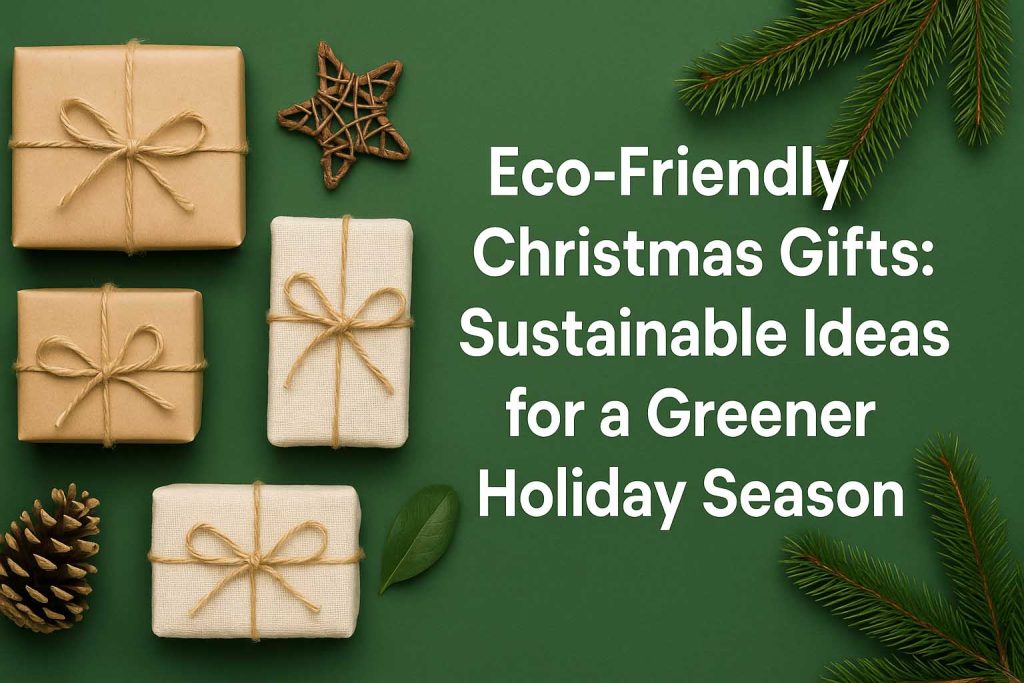
Cloth wraps such as furoshiki-style fabric squares can be reused for future gifts or repurposed as household items. Decorative cloth bags, tea towels, or scarves make excellent reusable alternatives to disposable wrapping paper.
These wraps add texture, color, and charm while eliminating waste entirely.
Natural and Compostable Decorations
Using natural elements such as dried orange slices, pine sprigs, cinnamon sticks, or jute twine creates earthy, festive gift presentations. These materials are biodegradable and provide a rustic holiday aesthetic.
Kraft paper, which is recyclable and compostable, is another versatile and eco-friendly wrapping choice.
Story-Driven and Minimalist Presentation
Minimalist wrapping focuses on simplicity and elegance. A handwritten note, a single ribbon, or a natural decoration can transform minimal packaging into a sophisticated presentation. Story-driven wrapping—explaining why materials were chosen or their environmental benefits—adds emotional value to the gift.
Frequently Asked Questions
What makes a Christmas gift eco-friendly?
A gift is considered eco-friendly when it is produced sustainably, uses natural or recycled materials, reduces waste, or supports ethical labor practices. Eco-friendly gifts prioritize environmental impact while still offering meaningful value to the recipient.
Are eco-friendly gifts more expensive?
Not necessarily. While some sustainable products can cost more due to responsible sourcing, many eco-friendly gifts—such as handmade items, upcycled goods, or digital experiences—are affordable and accessible. Long-term durability also increases the value of sustainable gifts.
How can I make my holiday wrapping more sustainable?
Choose reusable wraps, compostable materials, minimalist kraft paper, natural decorations, or containers that can be repurposed after use. Avoid glitter, plastic tape, and laminated wrapping paper, which cannot be recycled.