
No products in the cart.
Aloha Wear
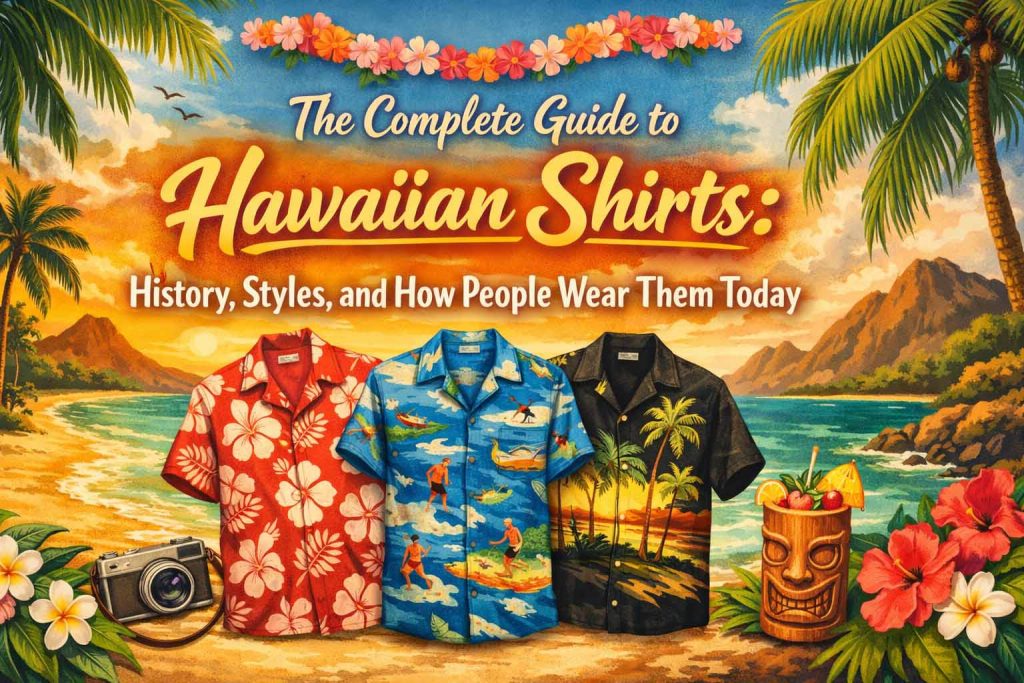
The Complete Guide to Hawaiian Shirts: History, Styles, and How People Wear Them Today
28
Jan
Jan
A complete guide to Hawaiian shirts must go far beyond the idea that these garments are simply colorful shirts worn on vacation. While Hawaiian shirts are often associated with leisure and warm-weather settings, their history, design philosophy, and cultural relevance make them far more significant within American fashion. Over decades, Hawaiian shirts have evolved from locally worn garments into globally recognized symbols of relaxed style, individuality, and cultural expression.
In the United States, Hawaiian shirts occupy a unique position. They are casual without being careless, expressive without being costume-like, and traditional without feeling outdated. Many people wear Hawaiian shirts regularly, yet few fully understand why these garments look the way they do or how they became so deeply embedded in everyday fashion. This guide to Hawaiian shirts explains their origins, construction, stylistic evolution, and how Hawaiian shirts are worn today across different social and cultural contexts.
Rather than focusing on trends or buying advice, this article provides a foundational understanding of Hawaiian shirts as fashion objects. By examining their history, design elements, and modern usage, readers can better appreciate why Hawaiian shirts continue to work in contemporary wardrobes and why they remain relevant despite constantly changing fashion cycles.
See more: Matching Hawaiian Outfits: Complete Style Guide for Couples, Families & Groups
Understanding Hawaiian Shirts: More Than Just Casual Wear
At a surface level, Hawaiian shirts are often described as casual clothing, but this label alone does not fully explain their role in fashion. While they are comfortable and relaxed by design, Hawaiian shirts are also intentional visual statements. Their patterns, colors, and construction are designed to be noticed, which sets them apart from many other casual garments intended to blend in.
To truly understand Hawaiian shirts, it is necessary to examine the reasons behind their design choices. From full-coverage prints to loose silhouettes, every element serves a purpose rooted in climate, culture, and lifestyle. These factors help explain why Hawaiian shirts feel fundamentally different from other casual button-up shirts.
Why Hawaiian Shirts Need a Complete Guide
Hawaiian shirts are frequently misunderstood because they are often grouped together with any shirt that features a floral or tropical pattern. This oversimplification ignores the fact that Hawaiian shirts follow a distinct design tradition that developed over time. Without a complete guide to Hawaiian shirts, it is easy to mistake them for novelty items or trend-based clothing.
Unlike generic patterned shirts, Hawaiian shirts are designed around cohesive visual narratives. Their prints usually cover the entire garment and are meant to be viewed as a whole rather than as decorative accents. This approach to design creates a strong visual identity that has remained consistent even as styles evolve.
A comprehensive explanation helps clarify why Hawaiian shirts have endured while many other casual trends have faded. Their longevity is not accidental but the result of thoughtful design and cultural relevance.
How This Guide Explains Hawaiian Shirts Clearly
This guide to Hawaiian shirts is structured to provide clarity through context. Rather than presenting isolated facts, it examines how history, design, and usage connect to form a complete picture. This approach reflects how Hawaiian shirts themselves developed over time, adapting to new environments while retaining core characteristics.
By addressing both technical elements, such as fabric and construction, and cultural factors, such as symbolism and lifestyle associations, this guide offers a balanced perspective. Readers gain not only descriptive information but also a deeper understanding of why Hawaiian shirts continue to resonate.
This method ensures that Hawaiian shirts are explained as enduring garments rather than fleeting fashion statements.
The History of Hawaiian Shirts: From Local Clothing to Global Fashion
The history of Hawaiian shirts begins in Hawaii, where they were originally worn as everyday garments rather than tourist items. Their development was influenced by local climate conditions, available materials, and cultural practices. Early Hawaiian shirts were practical, comfortable, and expressive, reflecting the environment in which they were worn.
Understanding this historical context helps explain why Hawaiian shirts have always prioritized comfort and visual storytelling. These qualities were not added later but were present from the beginning.
Early History of Hawaiian Shirts in Hawaii
Early Hawaiian shirts emerged from a combination of traditional island textiles and Western tailoring techniques. Local artisans adapted imported fabrics to suit Hawaiian conditions, creating garments that allowed airflow and ease of movement. The result was a shirt that felt natural to wear in warm, humid climates.
Patterns used in early Hawaiian shirts often drew inspiration from the natural environment, including plants, landscapes, and ocean imagery. These designs reflected a connection to place rather than an attempt to follow fashion trends. As such, Hawaiian shirts functioned as expressions of local identity.
At this stage, Hawaiian shirts were not meant to stand out to outsiders. They were worn as part of everyday life, reinforcing their practical and cultural value.
How Hawaiian Shirts Spread to the United States Mainland
Hawaiian shirts began to gain wider exposure as travel between Hawaii and the mainland United States increased. Visitors often brought these shirts home as reminders of their experiences, introducing them to new audiences.
Following World War II, increased mobility and cultural exchange accelerated this process. Hawaiian shirts became more visible in coastal regions, where relaxed lifestyles and warm climates made them appealing.
This expansion transformed Hawaiian shirts into symbols of leisure and freedom within American culture.
Hawaiian Shirts in American Pop Culture
Pop culture played a significant role in shaping how Hawaiian shirts were perceived in the United States. Appearances in film, television, and music reinforced their association with confidence and individuality.
As public figures embraced Hawaiian shirts, they became normalized as acceptable casual wear rather than novelty clothing.
This cultural validation helped secure their place in mainstream fashion.
Hawaiian Shirts Explained: Design, Fabric, and Construction
Design and construction are central to what makes Hawaiian shirts unique. Every aspect of these garments, from fabric choice to pattern placement, influences how they look and feel. Understanding these elements explains why Hawaiian shirts remain comfortable and visually distinctive.
By examining Hawaiian shirts from a technical perspective, it becomes clear that their appeal is rooted in thoughtful design rather than coincidence.
Fabrics Commonly Used in Hawaiian Shirts
Traditional Hawaiian shirts were typically made from lightweight cotton or rayon. These materials were selected for their breathability and softness, making them suitable for warm climates. Fabric choice also affects how the shirt drapes and moves on the body.
Modern Hawaiian shirts may incorporate blended fabrics that enhance durability while maintaining comfort. These updates allow the shirts to meet contemporary expectations without losing their core characteristics.
Fabric selection plays a critical role in distinguishing Hawaiian shirts from heavier or more structured button-up garments.
Patterns, Prints, and Visual Storytelling
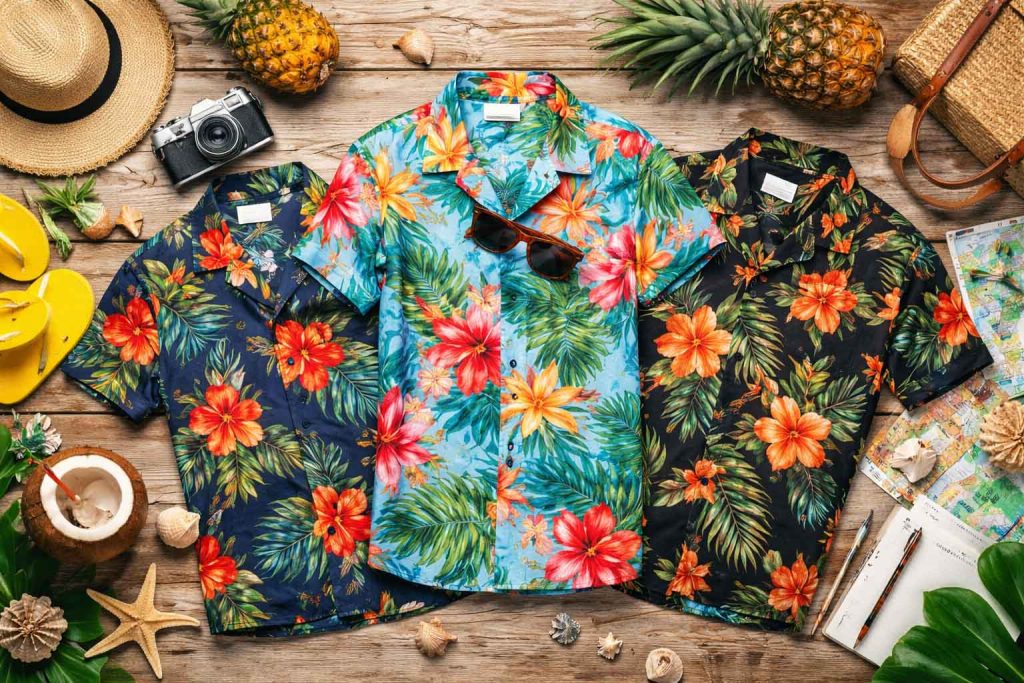
Patterns are the defining feature of Hawaiian shirts. Rather than serving as decoration, they form the foundation of the garment’s identity. Floral motifs, tropical scenes, and symbolic imagery are arranged to create cohesive visual narratives.
Unlike many printed shirts, Hawaiian shirt patterns are designed to cover the entire garment. This approach ensures that the shirt reads as a single visual statement rather than a collection of decorative elements.
This emphasis on storytelling through design contributes to their lasting recognition and appeal.
Fit, Cut, and Silhouette Differences
Hawaiian shirts traditionally feature relaxed fits that prioritize comfort. While modern variations may offer slimmer cuts, the overall silhouette remains casual and unrestrictive.
Fit influences how Hawaiian shirts are styled and perceived, especially in group or coordinated looks. Balanced proportions help maintain visual harmony.
These characteristics allow Hawaiian shirts to suit a wide range of body types and preferences.
Hawaiian Shirt Styles: Traditional, Modern, and Contemporary Variations
Hawaiian shirt styles have evolved over time to reflect changing fashion sensibilities. Traditional designs continue to coexist with modern interpretations that adapt the garment for contemporary use.
This diversity of styles allows Hawaiian shirts to appeal to different generations and aesthetic preferences.
Traditional Hawaiian Shirt Styles
Traditional Hawaiian shirts emphasize bold colors, classic patterns, and relaxed construction. These designs often reference cultural or historical themes connected to island life.
They are valued for their authenticity and sense of heritage, appealing to those who appreciate traditional aesthetics.
These styles continue to influence modern Hawaiian shirt designs.
Modern Hawaiian Shirt Styles
Modern Hawaiian shirt styles often simplify patterns and adopt more subdued color palettes. Designers adapt traditional concepts to suit urban and everyday environments.
These updates make Hawaiian shirts easier to integrate into contemporary wardrobes.
As a result, modern styles attract a broader audience while maintaining core identity.
Hawaiian Shirts in Coordinated and Matching Styles
Hawaiian shirts are especially effective in coordinated outfits. Their expressive patterns allow repetition without appearing repetitive or rigid.
This quality makes them popular for families, couples, and group events where visual cohesion is desired.
Coordinated Hawaiian shirts create unity while allowing individual variation.
How Hawaiian Shirts Are Worn Today in the United States
In modern American fashion, Hawaiian shirts are worn in a wide range of contexts. Their versatility allows them to adapt to different social settings without losing their identity.
Understanding how Hawaiian shirts are worn today highlights their continued relevance.
Everyday Casual Wear
Many people wear Hawaiian shirts as everyday casual clothing, particularly during warmer months. They are commonly paired with jeans, chinos, or shorts.
This adaptability makes Hawaiian shirts practical choices for relaxed environments.
Their comfort and expressive design contribute to ongoing popularity.
Vacation, Events, and Social Gatherings
Hawaiian shirts remain strongly associated with vacations and social gatherings. Their bold patterns align with celebratory atmospheres.
They are often worn at parties, festivals, and family events.
This association reinforces their image as approachable and expressive garments.
Group, Couple, and Family Matching Outfits
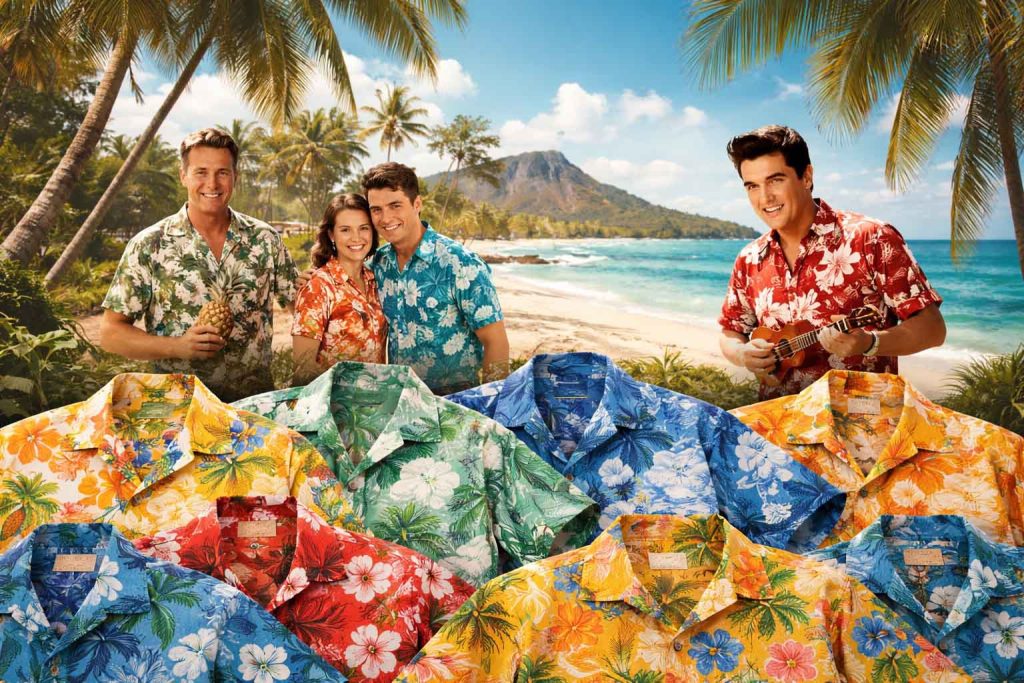
Hawaiian shirts excel in group styling because their patterns create visual unity without requiring identical outfits.
This flexibility makes them popular for couples and family photos.
Their adaptability supports coordinated looks across different ages.
Why Hawaiian Shirts Remain Relevant in Modern Fashion
Despite shifting fashion trends, Hawaiian shirts continue to maintain relevance. Their adaptability allows them to evolve alongside cultural changes.
They align with modern preferences for comfort and self-expression.
Casualization of American Dress Codes
American fashion has increasingly embraced casual dress codes. Hawaiian shirts fit naturally within this shift.
Their relaxed structure complements modern lifestyles.
This alignment ensures their continued presence in everyday fashion.
Self-Expression and Nostalgia
Hawaiian shirts allow wearers to express personality through color and pattern. They also evoke nostalgia related to travel and leisure.
This emotional connection enhances their appeal.
As a result, Hawaiian shirts remain meaningful beyond aesthetics.
Common Misconceptions About Hawaiian Shirts
Despite their popularity, Hawaiian shirts are often misunderstood. Addressing common misconceptions helps clarify their role in fashion.
Are Hawaiian Shirts Outdated?
Hawaiian shirts are not outdated. Modern designs and updated styling approaches keep them relevant.
Their adaptability ensures ongoing appeal.
Are Hawaiian Shirts Only for Vacations?
While associated with vacations, Hawaiian shirts are worn in everyday settings as well.
Their versatility supports broader use.
Are Hawaiian Shirts Just Novelty Clothing?
Hawaiian shirts are not novelty items. Their cultural roots and design depth give them lasting value.
This distinction separates them from short-lived trends.
Related Post:
Frequently Asked Questions About Hawaiian Shirts
What is a Hawaiian shirt?
A Hawaiian shirt is a casual button-up shirt characterized by bold patterns, relaxed fit, and cultural roots tied to Hawaiian history.
See more: What Is a Hawaiian Shirt? Origins, Meaning, and Cultural Identity Explained
What makes Hawaiian shirts different from floral shirts?
Hawaiian shirts use patterns as storytelling elements rather than decorative accents, which sets them apart from generic floral shirts.
Are Hawaiian shirts still popular in the United States?
Yes, Hawaiian shirts remain popular due to their comfort, versatility, and expressive design.
How are Hawaiian shirts worn today?
They are worn casually, during vacations, and in coordinated outfits across the United States.
Are Hawaiian shirts considered fashionable today?
Modern interpretations have ensured that Hawaiian shirts remain fashionable and relevant in contemporary style.