
No products in the cart.

Easter Gift Ideas
Why Do We Celebrate Easter Day? Meaning, History, and What Easter Day Is All About
02
Mar
Mar
Why do we celebrate easter day and why does it continue to hold such profound importance for millions of people across the United States? This question goes beyond simple tradition or seasonal observance. Easter Day is celebrated because it commemorates the resurrection of Jesus Christ, which Christians believe is the defining event of their faith. Understanding why do we celebrate easter day requires examining its religious foundation, biblical origin, and enduring significance within Christian belief. For many Americans, Easter is not merely a cultural holiday but a spiritual milestone that reinforces themes of redemption, hope, and renewal. To fully understand what is easter day all about, it is necessary to explore the theological meaning behind the resurrection and why it continues to be observed annually.
Why Do We Celebrate Easter Day in Christianity
The primary reason why do we celebrate easter day in Christianity is rooted in the belief that Jesus Christ rose from the dead after his crucifixion. This event, described in the New Testament, represents the fulfillment of Christian teaching about salvation and eternal life. For Christians, the resurrection confirms Jesus’s divine authority and establishes the foundation of their faith. Without this event, the central message of Christianity would lack its defining moment. Easter Day therefore serves as the annual commemoration of the resurrection and the core belief that life triumphs over death.
The Resurrection as the Central Event
The resurrection is considered the central event that explains why do we celebrate easter day. According to Christian doctrine, Jesus was crucified and buried, and on the third day, he rose from the dead. This resurrection is viewed not merely as a historical event but as a transformative spiritual reality. It represents victory over sin and death and affirms the promise of eternal life for believers. This theological meaning gives Easter its unique significance among Christian holidays.
By commemorating the resurrection each year, Christians reaffirm their belief in the foundational truth of their faith. The annual celebration ensures that this defining event remains central in religious teaching and worship. This is why Easter Day is often regarded as the most important day in the Christian calendar.
Why Easter Defines Christian Faith
Easter defines Christian faith because it confirms the belief that Jesus is the Son of God and that his teachings carry eternal significance. The resurrection validates the message of forgiveness and redemption that forms the heart of Christian doctrine. Understanding why do we celebrate easter day means recognizing that this event establishes the credibility of Christian belief.
Without the resurrection, Christianity would lack the defining moment that distinguishes it from other religious traditions. The celebration of Easter therefore reinforces the identity of Christian communities and provides a unifying focus for worship and reflection.
What Is Easter Day All About From a Religious Perspective
To answer why do we celebrate easter day, it is essential to understand what is easter day all about from a religious standpoint. Easter is about redemption, renewal, and the fulfillment of divine promises. It commemorates the belief that Jesus’s resurrection opened the way for reconciliation between humanity and God. This perspective emphasizes that Easter is not only a remembrance of a past event but a celebration of an ongoing spiritual reality.
The Meaning of Redemption and Salvation
Redemption and salvation are central themes in explaining why do we celebrate easter day. Christians believe that through his death and resurrection, Jesus provided the means for forgiveness of sins and restored the relationship between humanity and God. The resurrection symbolizes the completion of this redemptive act and the assurance of eternal life for believers.
This theological framework gives Easter its profound spiritual meaning. It transforms the holiday from a historical commemoration into a living expression of faith and gratitude. The celebration of Easter reinforces the belief that redemption is possible and that spiritual renewal is available to all who believe.
How Easter Reflects God’s Promise
Easter reflects the belief that God fulfilled a promise through the resurrection of Jesus Christ. According to Christian teaching, the resurrection was foretold in scripture and represents the culmination of divine planning. Understanding why do we celebrate easter day includes recognizing this fulfillment of promise and its importance within Christian theology.
This sense of fulfilled promise strengthens the faith of believers and reinforces the reliability of scripture. By celebrating Easter annually, Christians acknowledge their trust in this promise and reaffirm their commitment to the teachings that arise from it.
The Biblical Events That Explain Why We Celebrate Easter Day
The biblical narrative provides the historical and theological foundation for why do we celebrate easter day. The events surrounding the crucifixion and resurrection are recorded in the four Gospels of the New Testament. These accounts describe the arrest, trial, crucifixion, burial, and eventual discovery of the empty tomb. Together, these events form the narrative that Christians commemorate each year during Easter.
The Crucifixion and Burial
The crucifixion of Jesus is remembered on Good Friday and represents the suffering and sacrifice that precede the resurrection. According to biblical accounts, Jesus was executed and laid in a tomb. This event initially appeared to mark the end of his ministry and mission. However, within Christian theology, the crucifixion is understood as part of a larger redemptive plan.
The burial sets the stage for the resurrection that defines what is easter day all about. Without the crucifixion and burial, the resurrection would not carry the same theological significance. These events together explain why do we celebrate easter day as a complete narrative rather than an isolated occurrence.
The Empty Tomb and Resurrection
The discovery of the empty tomb is the moment that defines Easter Day. According to scripture, followers of Jesus found that the stone had been rolled away and that the tomb was empty. This discovery marked the beginning of the resurrection proclamation that spread throughout early Christian communities.
The resurrection narrative explains why do we celebrate easter day each year. It is this event that transforms sorrow into hope and defeat into victory. For believers, the empty tomb represents confirmation that the promises of faith are true and that the resurrection is the foundation of Christian belief.
The Historical Development of Easter Celebration
Beyond its biblical origin, the celebration of Easter developed over centuries within early Christian communities. As Christianity expanded, believers began commemorating the resurrection annually. The process of establishing a unified celebration contributed to the development of Easter as a major religious observance. Understanding why do we celebrate easter day today requires recognizing this historical evolution.
Early Christian Observance
In the earliest centuries of Christianity, believers gathered regularly to remember the resurrection, particularly on Sundays. Over time, these weekly commemorations evolved into an annual observance that emphasized the resurrection event. This annual celebration strengthened communal identity and reinforced shared belief.
The early church recognized the importance of commemorating the resurrection as a central event in Christian life. This recognition explains why do we celebrate easter day as a formalized and structured observance today.
Standardization of the Easter Date
As Christianity spread across regions, differences arose regarding the timing of Easter. Church leaders eventually worked to standardize the calculation of the Easter date to ensure unity among believers. This effort helped establish consistency and reinforced the importance of Easter within the Christian calendar.
The standardization of Easter demonstrates how central the resurrection was to early Christian identity. By unifying the celebration, the church ensured that the answer to why do we celebrate easter day remained clear and consistent across communities.
Why Do We Celebrate Easter Day Every Year
Many people ask not only why do we celebrate easter day, but also why it must be observed annually. The annual repetition is intentional and meaningful. In Christianity, remembering foundational events is central to maintaining faith continuity across generations. Easter Day serves as a recurring reminder of the resurrection and its theological implications. By celebrating Easter every year, believers reaffirm their commitment to the core message of Christianity and ensure that the meaning of the resurrection does not fade into abstract history. The annual observance also aligns with the liturgical calendar, reinforcing spiritual rhythms that structure Christian worship throughout the year.
Annual Reminder of Core Belief
The annual celebration of Easter functions as a structured act of remembrance. Religious traditions often rely on repeated observances to reinforce doctrine and sustain communal identity. In the case of Easter, commemorating the resurrection annually ensures that believers remain grounded in the central truth of their faith. This repetition strengthens both personal conviction and collective understanding.
Understanding why do we celebrate easter day every year involves recognizing the importance of structured remembrance in religious practice. The repetition allows each generation to encounter the message anew, ensuring that the significance of the resurrection continues to shape belief and behavior in contemporary society.
The Importance of Commemoration in Religion
Commemoration plays a crucial role in preserving religious identity. By marking sacred events on specific days, communities maintain continuity between past and present. Easter Day serves this purpose by linking modern believers to the original resurrection narrative described in scripture. The act of celebration reinforces shared values and shared memory.
This practice explains why do we celebrate easter day annually rather than treating it as a one-time historical reference. Commemoration transforms doctrine into lived experience, allowing believers to participate actively in a tradition that spans centuries.
Why Easter Day Is Celebrated on Sunday
Easter Day is always celebrated on a Sunday, and this timing carries theological and historical significance. According to biblical accounts, the resurrection occurred on the first day of the week, which corresponds to Sunday in the modern calendar. This connection explains why do we celebrate easter day specifically on Sunday rather than on a fixed date of the month. The alignment with Sunday also reinforces the long-standing Christian practice of Sunday worship.
Connection to the First Day of the Week
The first day of the week holds symbolic importance because it represents new beginnings. In the resurrection narrative, the discovery of the empty tomb on Sunday marked the beginning of a new spiritual era. By celebrating Easter on Sunday, Christians honor this symbolic renewal and maintain continuity with early Christian practice.
This historical connection demonstrates that the timing of Easter is not arbitrary. It is directly linked to the biblical account and reflects the foundational event that defines what is easter day all about.
Why Sunday Worship Became Central
Early Christian communities gathered on Sundays to commemorate the resurrection and to worship together. Over time, Sunday became the primary day of worship in Christian tradition. Easter, as the ultimate celebration of the resurrection, naturally remained anchored to Sunday observance.
Recognizing this pattern helps clarify why do we celebrate easter day on Sunday and why the weekly rhythm of Christian worship reflects the same theological foundation.
How Easter Celebration Differs Across Christian Traditions
While the central reason why do we celebrate easter day remains consistent across Christianity, the manner of celebration can vary among denominations. These variations reflect historical, cultural, and theological differences. Despite these distinctions, the core meaning of the resurrection remains unchanged.
Western Christian Observance
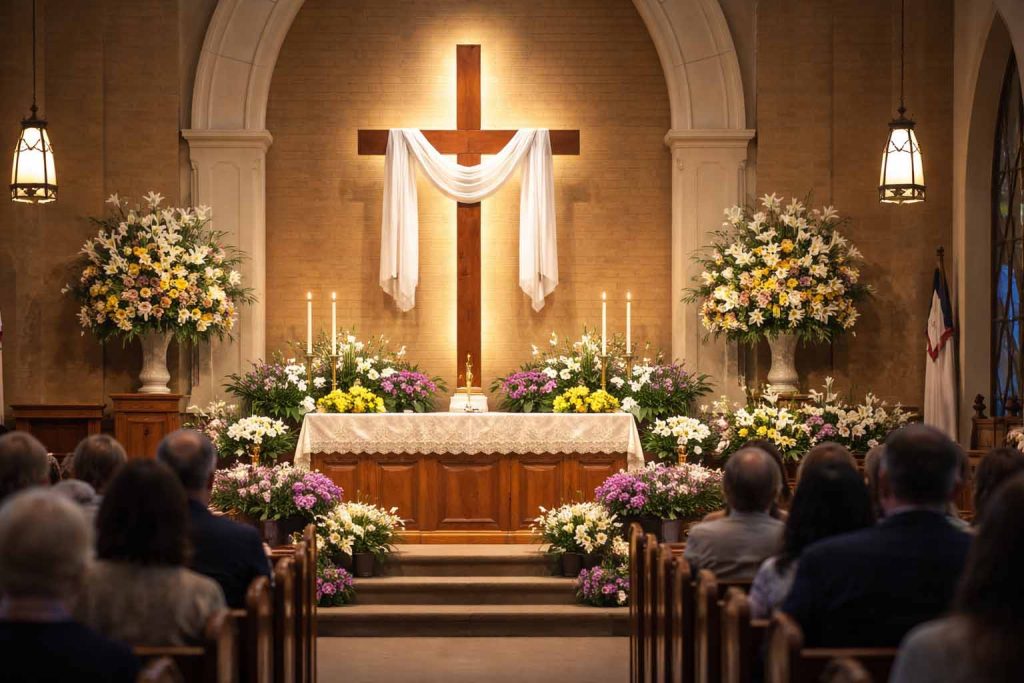
In Western Christian traditions, including Roman Catholic and Protestant communities, Easter is marked by special church services, scripture readings, and communal worship. The liturgy emphasizes resurrection themes, and many congregations incorporate music and symbolic elements to reflect the joy of the occasion.
These practices demonstrate how Western traditions interpret and express the meaning behind why do we celebrate easter day. The focus remains on proclamation of the resurrection and reaffirmation of faith.
Eastern Christian Observance
Eastern Orthodox Christians also celebrate Easter with profound reverence, although the calculation of the date may differ due to calendar variations. The services often include extended liturgical ceremonies and traditional hymns that emphasize the triumph of life over death.
Despite differences in calendar calculation, the theological foundation remains the same. The resurrection continues to define why do we celebrate easter day across diverse Christian communities.
Why Do We Celebrate Easter Day in the United States
In the United States, Easter holds both religious and cultural significance. While its primary meaning remains theological, the holiday also influences social customs and public awareness. Churches across the country hold well-attended services, and many Americans associate Easter with family gatherings and reflection.
Religious Importance in American Churches
Easter Sunday often records the highest church attendance of the year in many American congregations. This pattern reflects the enduring importance of the resurrection within Christian belief. For many individuals, Easter serves as a moment of renewed commitment and spiritual focus.
The strong participation in Easter worship demonstrates that the answer to why do we celebrate easter day remains deeply rooted in American religious life.

National and Cultural Recognition
Beyond church settings, Easter is widely recognized as a significant holiday within American society. Schools, communities, and families acknowledge the day in various ways, reinforcing its visibility and importance.
Although cultural expressions vary, the religious meaning continues to define the foundation of the holiday and explains its enduring relevance.
Spiritual and Personal Reasons Why People Celebrate Easter
For many believers, the reasons why do we celebrate easter day extend beyond doctrine and tradition. The holiday carries personal spiritual significance. It provides an opportunity for reflection, renewal, and recommitment to faith principles. This personal dimension explains why Easter continues to resonate across generations.
Renewal of Faith and Commitment
Easter often inspires individuals to examine their beliefs and renew their commitment to spiritual growth. The resurrection narrative symbolizes transformation and new beginnings, themes that resonate with personal experiences of change and resilience.
This internal reflection strengthens the answer to why do we celebrate easter day, emphasizing that the celebration is not merely historical but deeply personal.
Community and Shared Belief
Celebrating Easter within a community reinforces shared identity and collective belief. Worship gatherings create a sense of unity and belonging that strengthens faith communities.
This communal aspect contributes to the enduring importance of Easter and reinforces the collective answer to why do we celebrate easter day each year.
Common Misunderstandings About Why We Celebrate Easter Day
Despite its clear theological foundation, Easter is sometimes misunderstood as primarily a cultural or seasonal event. Clarifying these misunderstandings helps reinforce the religious core of the holiday.
Confusion With Secular Traditions
Modern customs associated with Easter can sometimes overshadow its religious origin. While these traditions have cultural value, they do not replace the central message of the resurrection.
Understanding why do we celebrate easter day requires distinguishing between cultural expressions and theological meaning.
Misinterpretations of Easter’s Origin
Some misconceptions arise from incomplete historical knowledge. Examining biblical accounts and early Christian practice clarifies the authentic origin of Easter.
Accurate understanding ensures that the focus remains on the resurrection and the foundational message it conveys.
FAQ: Why Do We Celebrate Easter Day
Why do we celebrate easter day
We celebrate Easter Day to commemorate the resurrection of Jesus Christ, which Christians believe confirms the promise of eternal life and redemption.
The celebration reinforces the central belief of Christianity and provides an annual reminder of the resurrection’s significance.
What is easter day all about
Easter Day is about the resurrection of Jesus Christ and its spiritual meaning within Christian faith.
It represents renewal, hope, and the fulfillment of divine promise.
When is easter day
Easter Day occurs on the first Sunday after the first full moon following March 21, which means the date changes each year.
This movable calculation explains why Americans verify when is easter day annually.