
No products in the cart.

Easter Gift Ideas
What Happened on Easter Day and What Day Was Easter Last Year

05
Mar
Mar
Many people search every year to understand what happened on easter day and why this celebration holds such deep significance in Christianity. Easter is not simply a seasonal holiday associated with spring traditions. The day commemorates the resurrection of Jesus Christ according to the New Testament, an event that stands at the center of Christian belief. Because the celebration does not occur on the same date each year, people often combine questions about what happened on easter day with curiosity about past Easter dates and historical context. Understanding the events remembered on Easter Day helps explain why churches around the world gather annually to celebrate the resurrection and reflect on the spiritual meaning behind the holiday.
For many readers researching what happened on easter day, it is also helpful to understand the broader timeline surrounding the event. The resurrection is the final moment in a series of events known as Holy Week, which includes Palm Sunday, the Last Supper, and Good Friday. Each of these moments forms part of the story that leads to Easter Sunday. Exploring these events provides a clearer understanding of what happened on easter day and why the celebration continues to influence religious practice and cultural traditions today.
The Historical Events That Happened on Easter Day
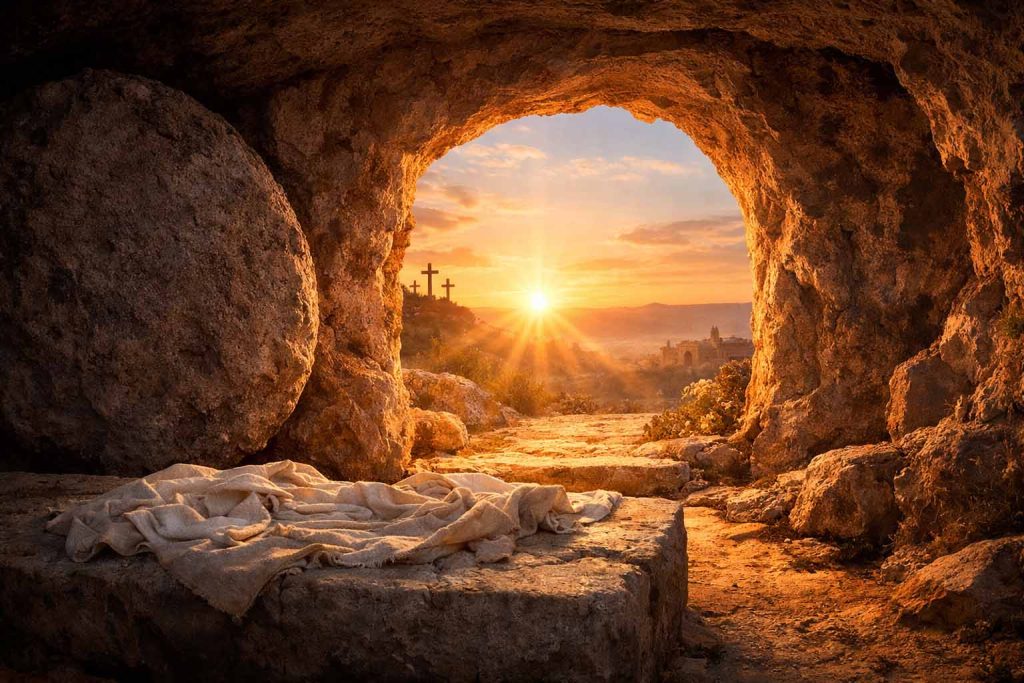
To fully understand what happened on easter day, it is important to examine the biblical narrative that describes the resurrection of Jesus Christ. According to the Gospel accounts, Jesus was crucified on Good Friday and placed in a tomb sealed by a large stone. On the third day, which corresponds to Sunday morning, followers discovered that the tomb was empty. This moment is remembered as the resurrection and forms the foundation of the Easter celebration observed by Christian communities around the world.
The Discovery of the Empty Tomb
The New Testament describes how several women who followed Jesus visited the tomb early on Sunday morning. When they arrived, they found that the stone covering the entrance had been moved aside. Inside the tomb, Jesus was no longer present. Instead, they encountered messengers who announced that he had risen. This discovery became the first sign of what happened on easter day and quickly spread among the followers of Jesus.
For early Christians, the discovery of the empty tomb confirmed the belief that Jesus had risen from the dead. This event transformed a moment of mourning into one of celebration and hope. The story of the empty tomb therefore became the central explanation of what happened on easter day and remains one of the most widely recognized narratives in Christian scripture.
Why the Resurrection Became the Center of Easter
The resurrection described in the Gospel accounts is more than a historical narrative within Christian tradition. It represents a powerful theological message that life can overcome death and that faith offers the promise of renewal. Because of this meaning, the events remembered on Easter Sunday became the foundation of Christian teaching and worship.
As Christianity spread across different regions, the remembrance of what happened on easter day became the most important celebration within the Christian calendar. Churches developed special services and traditions dedicated to commemorating the resurrection, reinforcing the spiritual importance of the day for believers around the world.
The Timeline Leading to Easter Day
The story of what happened on easter day is closely connected to the events that take place during Holy Week. This period begins with Palm Sunday and concludes with the resurrection on Easter Sunday. Each event within this sequence helps explain the broader meaning of the Easter celebration and provides context for the resurrection narrative.
Palm Sunday and the Beginning of Holy Week
Palm Sunday marks the entry of Jesus into Jerusalem, where crowds welcomed him by laying palm branches along the road. This moment symbolized hope among his followers, who believed that a significant turning point was approaching. Churches continue to commemorate Palm Sunday as the opening event that begins the journey toward Easter.
The celebration of Palm Sunday introduces the sequence of events that ultimately leads to what happened on easter day. By remembering the beginning of Holy Week, Christian communities reflect on the historical path that leads from public celebration to sacrifice and ultimately to resurrection.
The Crucifixion on Good Friday
Good Friday commemorates the crucifixion of Jesus, which took place after his arrest and trial. According to the Gospel narratives, Jesus was executed by crucifixion outside the city of Jerusalem. The day is remembered with solemn reflection because it represents the moment of sacrifice that precedes the resurrection.
Although Good Friday focuses on the suffering and death of Jesus, it also forms an essential part of the story that explains what happened on easter day. The resurrection that follows transforms the meaning of the crucifixion and provides the central message of hope that Easter celebrates.
Why Easter Day Is Celebrated on a Sunday
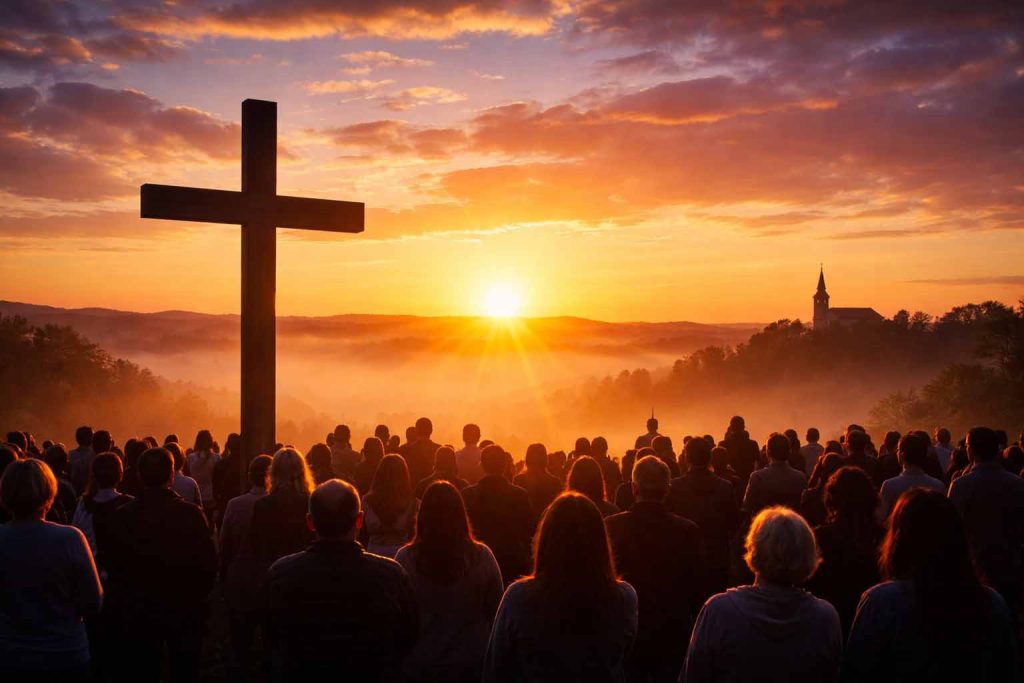
Another question people often ask when learning what happened on easter day is why the celebration always takes place on a Sunday. The answer lies in the biblical account of the resurrection. According to the Gospel narratives, the empty tomb was discovered on the first day of the week. Early Christians began gathering on Sundays to remember this event, and the practice gradually became a central tradition within Christian worship.
The Importance of Sunday in Early Christian Worship
During the early centuries of Christianity, believers gathered on Sundays to celebrate the resurrection and share teachings within their communities. These gatherings reinforced the connection between Sunday worship and the events remembered on Easter. Over time, Sunday became recognized as the primary day for Christian worship.
Because the resurrection was discovered on a Sunday, the annual celebration of Easter also takes place on that day. This connection between weekly worship and the annual celebration helps explain how the remembrance of what happened on easter day became firmly linked to Sunday observance.
The Role of Early Church Leaders
As Christianity expanded, different regions began celebrating Easter on different dates. To create unity among believers, church leaders eventually established a shared method for determining when Easter should be celebrated. This decision ensured that Christians across different regions could commemorate the resurrection together.
Today, people researching what happened on easter day often also want to understand when is easter day each year and why the date changes. The calendar calculation developed by early church leaders ensures that the celebration remains connected to the historical events of Holy Week while still following a consistent pattern.
How the Date of Easter Is Calculated
Another common question related to what happened on easter day involves how the date of Easter is determined each year. Unlike holidays that occur on fixed calendar dates, Easter follows a calculation based on the spring equinox and the lunar cycle. This system was developed centuries ago to ensure that the celebration remained connected to both seasonal changes and historical religious tradition.
The Spring Equinox and the Full Moon Rule
According to the traditional calculation, Easter is celebrated on the first Sunday after the first full moon following the spring equinox. The equinox is treated as March 21 for the purposes of this calculation. Once the first full moon occurs after that date, the following Sunday becomes Easter Day.
This method explains why the celebration shifts across the calendar each year. Although the exact date changes, the meaning of what happened on easter day remains constant for Christian communities around the world.
The Seasonal Connection to Spring
The timing of Easter within the spring season also contributes to the symbolism associated with the holiday. Spring represents renewal, growth, and the beginning of new life in many cultures. These natural themes closely align with the message of resurrection remembered on Easter Sunday.
Because the date always falls within the early weeks of spring, the celebration naturally connects the story of what happened on easter day with broader seasonal themes of renewal and transformation.
The Religious Meaning Behind Easter Day
Understanding what happened on easter day also helps explain what is easter day within Christian belief. For many believers, Easter represents the fulfillment of the central message of Christianity. The resurrection demonstrates the promise of hope, redemption, and spiritual renewal that forms the core of Christian faith.
Easter as a Symbol of Renewal
The themes of renewal and new life appear frequently in Easter traditions. Churches decorate with flowers, communities celebrate the arrival of spring, and families gather to mark the season of change. These traditions reflect the deeper message of what happened on easter day and its association with hope and transformation.
For believers, the resurrection serves as a reminder that faith offers the possibility of renewal. This interpretation gives the Easter celebration a spiritual meaning that extends beyond historical remembrance.
The Message of Resurrection in Christian Faith
The resurrection remains the defining event within Christian theology. According to Christian teaching, the events remembered on Easter confirm the promise of salvation and the power of faith. Churches emphasize these themes during Easter services through readings, music, and community gatherings.
Because of this significance, many people searching what happened on easter day are also trying to understand the deeper spiritual message associated with the celebration. The resurrection narrative continues to influence Christian belief and religious practice around the world.
How Easter Is Celebrated in the United States
Although Easter remains rooted in religious tradition, it has also developed a wide range of cultural celebrations in the United States. Families gather for meals, communities organize seasonal events, and churches hold special services to commemorate the resurrection. These traditions reflect both the religious and social significance of the holiday.
Community Events and Easter Activities
Many communities host public events during the Easter season that bring families together. Easter egg hunts are one of the most widely recognized traditions, where children search for decorated eggs hidden in parks or churchyards. These activities create a festive environment that encourages community participation.
Local festivals and spring celebrations often take place during the same period. These gatherings allow communities to celebrate the season while also remembering the historical story of what happened on easter day.
Family Gatherings and Easter Meals
Family gatherings are another important part of the Easter tradition in the United States. Many households celebrate the day by preparing a special meal and spending time together. These gatherings strengthen family relationships and help pass traditions from one generation to the next.
While the cultural elements of Easter may vary across regions, they often reflect the same themes of celebration and renewal that originate from the story of what happened on easter day.
Why People Often Search Past Easter Dates
People frequently search for previous Easter dates when planning events or comparing how the holiday shifts across the calendar. Questions about what day was easter last year often arise because the celebration moves to a different date every year.
Planning Future Celebrations
Families and churches often begin preparing for Easter weeks in advance. Understanding past Easter dates can help people estimate when the holiday might occur in future years and organize travel, events, or gatherings accordingly.
Businesses and community organizations also rely on Easter timing when planning seasonal activities. Reviewing past Easter dates helps them anticipate the timing of future celebrations.
Understanding the Pattern of Easter Dates
Although Easter changes dates every year, it always occurs within a predictable range between late March and late April. This range ensures that the celebration remains connected to the seasonal transition into spring.
By understanding how the date shifts over time, readers gain a clearer perspective on the calendar system that determines when the celebration of what happened on easter day will occur each year.
FAQ About What Happened on Easter Day
What happened on easter day
What happened on easter day refers to the resurrection of Jesus Christ according to the New Testament. The resurrection narrative describes how followers discovered the empty tomb on Sunday morning, which became the foundation of the Easter celebration.
This event is considered the central moment of Christian belief and is commemorated each year through church services, prayer, and community gatherings.
What day was easter last year
Because Easter follows a movable calendar system, the date changes every year. The holiday occurs on a Sunday between late March and late April depending on the lunar cycle and the spring equinox.
Looking at past Easter dates helps illustrate how the celebration moves across the calendar while remaining within the same seasonal window.