
No products in the cart.

Easter Gift Ideas
When Is Easter Day 2026? Complete Guide to Date, Meaning and Why It Changes

20
Feb
Feb
When is easter day 2026? This question becomes increasingly common as spring approaches across the United States. Unlike fixed-date holidays such as Christmas or Independence Day, Easter does not fall on the same calendar date every year. Many Americans search for clarity about what day is Easter in 2026, what month and day is Easter, and why the date shifts between March and April. Understanding when is easter day requires more than simply checking a calendar. It involves historical decisions made by the early Christian church, astronomical calculations tied to the lunar cycle, and centuries of religious tradition that continue to shape observance in modern America.
In this comprehensive guide, we will clearly explain the exact date of Easter Day 2026, examine how the calculation works, and address common questions such as what day is easter in 2026, why is easter on different days, and how is easter day determined. This article is designed to serve as a definitive resource for readers in the United States who want a precise and historically grounded understanding of Easter.
Source: List of dates for Easter
When Is Easter Day 2026 in the United States?
For those asking when is easter day in 2026, the answer is Sunday, April 5, 2026. In the United States, Easter is observed on a Sunday each year, but the calendar date changes annually. In 2026, Easter falls in early April, placing it firmly within the traditional spring season. Knowing what day is Easter in 2026 is essential for churches organizing services, schools planning spring schedules, and families coordinating gatherings.
What Day Is Easter in 2026 and Why It Falls on April 5
The direct answer to what day is easter in 2026 is April 5, 2026. However, this date is not arbitrary. Easter is classified as a “movable feast,” meaning its timing depends on a formula rather than a fixed civil calendar day. The early church established that Easter would be celebrated on a Sunday, preserving the theological significance of Sunday as the day of the resurrection.
Because Easter must fall on a Sunday, the date shifts within a defined window. The determination of April 5 in 2026 reflects the interplay between the vernal equinox and the first full moon following that equinox. This calculation ensures continuity with ancient Christian practice while maintaining alignment with seasonal symbolism tied to spring.
What Month and Day Is Easter Each Year?
When individuals ask what month and day is easter, the broader answer is that Easter can occur between March 22 and April 25. This 35-day range exists because of the ecclesiastical rule that governs the holiday’s placement. In some years, Easter arrives early in March; in others, it occurs toward the end of April.
The variability often leads to additional questions such as what day does easter fall on and what days can easter fall on. While Easter always occurs on a Sunday, its precise date shifts within the allowable range established by the church centuries ago.
Why Is Easter on Different Days Every Year?
A central question following when is easter day is why is easter on different days. The answer lies in the relationship between the solar calendar used in civil society and the lunar calendar that influences ecclesiastical calculations. Easter is tied to the first Sunday after the first full moon occurring on or after the spring equinox. Because lunar cycles do not align perfectly with the 365-day solar year, the date moves each year.
How Is Easter Day Determined?
To fully understand how is easter day determined, it is necessary to revisit the Council of Nicaea in 325 AD. Church leaders sought a uniform method for calculating Easter to ensure consistency across Christian communities. They determined that Easter would be observed on the first Sunday following the first full moon after the vernal equinox, which is fixed at March 21 for ecclesiastical purposes.
This method connects Easter symbolically to Passover, which is also determined by lunar cycles. The formula creates a structured but shifting date pattern that explains why Easter cannot be tied to a fixed civil date like December 25.

Why Is Easter on a Different Day Each Year?
The related question why is easter on a different day each year reflects confusion about how lunar phases interact with the Gregorian calendar. A lunar month lasts approximately 29.5 days, and twelve lunar cycles do not perfectly match a solar year. Because Easter depends on the first full moon after March 21, the date will change depending on when that full moon occurs.
This system preserves theological symbolism. The timing connects the resurrection narrative to the Jewish Passover season, reinforcing the historical continuity between the Old and New Testament accounts central to Christian theology.
Is Easter the Same Day Every Year?
Many Americans wonder is easter the same day every year. The answer is no. However, Easter does consistently fall on a Sunday. While the weekday remains constant, the calendar date varies because of the lunar-based calculation described earlier.
What Day Does Easter Fall On?
When asking what day does easter fall on, it is important to distinguish between weekday and calendar date. Easter always falls on a Sunday. The variability concerns the numbered day of March or April, not the day of the week.
This consistency of Sunday observance reflects early Christian tradition, which identifies Sunday as the day of Christ’s resurrection. Thus, while the calendar date moves, the theological anchor remains unchanged.
What Days Can Easter Fall On?
The question what days can easter fall on refers to the allowable calendar range. Easter can occur as early as March 22 and as late as April 25. These boundary dates are relatively rare, but they illustrate the flexibility built into the calculation system.
Because the formula depends on both the equinox and the full moon, small astronomical differences from year to year can shift Easter forward or backward within this window.
How Many Days Until Easter 2026?
Another common inquiry related to when is easter day is how many days until easter 2026. As Easter approaches, many families, churches, and institutions count down to the holiday. The countdown varies depending on the current date, but understanding the fixed 2026 date of April 5 allows for accurate planning.
How Many Days Until Easter?
The broader search phrase how many days until easter is frequently used throughout the year. Because Easter is movable, the number of days remaining changes annually. Once the year’s Easter date is identified, a simple calculation provides the countdown.
This countdown is particularly important within liturgical traditions, as Lent begins 46 days before Easter Sunday. Therefore, determining the Easter date automatically establishes the timing of Ash Wednesday and Holy Week.
How Many Days Has It Been Since Easter?
Some individuals instead ask how many days has it been since easter. This retrospective calculation is relevant for church calendars and seasonal planning. Easter marks a pivotal moment in the Christian year, influencing the placement of Pentecost and other observances.
Because the Easter date changes annually, tracking how many days have passed requires knowledge of the prior year’s observance and its position within the movable feast cycle.
What Is Easter Day and Why Does It Matter?
After understanding when is easter day and how its date is calculated, the next important question is what is easter day. While many Americans recognize Easter as a spring holiday associated with church services, family gatherings, and seasonal traditions, its core meaning is deeply rooted in Christian theology. Easter commemorates the resurrection of Jesus Christ, an event regarded by Christians as the foundation of their faith.
In the United States, Easter represents both a sacred religious observance and a widely recognized cultural event. Churches hold sunrise services, families gather for meals, and communities organize celebrations. However, to fully understand the significance of the holiday, one must examine its theological origin and historical development.
What Is Easter Day in Christian Theology?
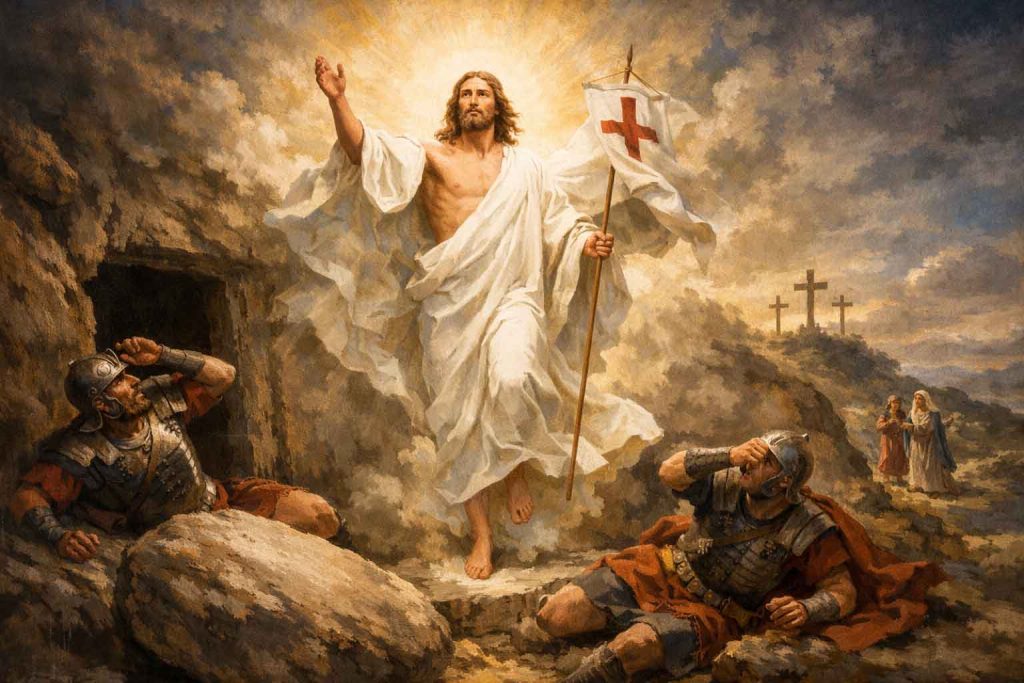
At its theological core, what is easter day refers to the celebration of the resurrection of Jesus Christ from the dead. According to the New Testament, Jesus was crucified on Good Friday and rose on the third day, which Christians observe as Easter Sunday. The resurrection is viewed as a confirmation of Christ’s divinity and the fulfillment of prophetic scripture.
For believers, Easter is not simply a memorial event. It represents victory over sin and death, symbolizing hope, renewal, and eternal life. This theological significance explains why determining when is easter day each year is so important within Christian communities.
Why Do We Celebrate Easter Day?
The question why do we celebrate easter day follows naturally from understanding its religious meaning. Easter is celebrated to honor the resurrection and to reaffirm core Christian beliefs. Churches across the United States conduct special services that include scripture readings, hymns, and sermons centered on resurrection themes.
Beyond religious services, Easter also marks the culmination of Lent, a 40-day period of fasting and reflection. Because Easter concludes this solemn season, it is often celebrated with joy and communal gatherings. The combination of theological reverence and communal celebration explains why Easter remains one of the most widely observed religious holidays in America.
Is Easter the Day Jesus Rose?
A common and direct question asked online is is easter the day jesus rose. According to Christian doctrine, the answer is yes. Easter Sunday commemorates the discovery of the empty tomb and the belief that Jesus rose from the dead on that day. However, understanding this fully requires examining the biblical narrative and its historical interpretation.
Did Jesus Die on Easter Day?
Some confusion arises from the related question did jesus die on easter day. In Christian tradition, Jesus was crucified on Good Friday, not Easter Sunday. Easter marks the resurrection, not the crucifixion. Good Friday and Easter Sunday are therefore distinct but closely connected observances within Holy Week.
This distinction is essential for understanding the structure of the Christian liturgical calendar. Good Friday commemorates the suffering and death of Christ, while Easter Sunday celebrates the resurrection and triumph over death.
What Happened on Easter Day According to Scripture?
The question what happened on easter day refers to the events described in the Gospels of Matthew, Mark, Luke, and John. According to these accounts, women visiting Jesus’ tomb early Sunday morning found it empty. An angel announced that Jesus had risen, fulfilling earlier prophecies.
This narrative forms the foundation of Easter observance. Churches across the United States recount this story each year during Easter services, reinforcing its theological importance and historical continuity within Christian tradition.
The History of Easter Day from the Early Church to Modern America
To understand why so many Americans search for when is easter day each spring, it is helpful to explore the broader history of easter day. Easter did not emerge as a standardized observance immediately after the resurrection narrative. Instead, its formal calculation and celebration developed over centuries.
Early Disputes Over the Date of Easter
In the early centuries of Christianity, disagreements arose regarding how to determine the Easter date. Some communities aligned the celebration with the Jewish Passover calendar, while others preferred a Sunday-based system. These disputes led to regional inconsistencies.
The Council of Nicaea in 325 AD resolved these differences by establishing the rule that Easter would be observed on the first Sunday after the first full moon following the vernal equinox. This decision standardized the calculation method and continues to influence when is easter day in modern calendars.
Easter in the American Religious Landscape
As Christianity spread to North America, Easter became firmly embedded in American religious life. Churches of various denominations adopted the established calculation method, ensuring consistency in observance across the country.
Over time, Easter also incorporated cultural elements unique to American society. Public school calendars, retail schedules, and family traditions now reflect the annual shift in Easter’s date. The intersection of religious heritage and cultural practice makes understanding when is easter day relevant beyond strictly theological contexts.
Why Is Easter on Different Days but Always on a Sunday?
Revisiting the earlier explanation, many readers continue to ask why is easter on different days and is easter the same day every year. The reason Easter always falls on a Sunday is rooted in early Christian tradition, which identifies Sunday as the day of the resurrection.
Sunday as the Anchor of Easter Observance
The consistent Sunday observance ensures theological continuity. While the calendar date may shift between March and April, the Sunday placement reinforces the resurrection narrative central to Christian belief.
This alignment explains why questions such as what day does easter fall on typically refer to the calendar date rather than the weekday.
How the Lunar Cycle Influences the Calendar Date
The variability in calendar date results from the lunar-based calculation described earlier. Because the first full moon after March 21 does not occur on the same civil date each year, Easter shifts accordingly.
This structure explains why some years prompt more searches for how many days until easter or how many days until easter 2026 as Americans anticipate the holiday.
The Relationship Between Easter and the Broader Christian Calendar
Understanding when is easter day also clarifies the timing of other Christian observances. Easter serves as the anchor for multiple movable feasts, shaping the rhythm of the liturgical year.
Lent and Ash Wednesday
Lent begins 46 days before Easter Sunday, making the calculation of Easter essential for determining Ash Wednesday. This period of reflection and fasting culminates in Holy Week.
Because Easter shifts annually, so too do the starting and ending dates of Lent. This reinforces the importance of accurately identifying when is easter day each year.
Holy Week and Pentecost
Holy Week includes Palm Sunday, Maundy Thursday, and Good Friday, all leading up to Easter Sunday. Fifty days after Easter, Christians celebrate Pentecost.
These interconnected observances demonstrate why Easter’s date is not isolated. It influences an entire season of religious practice within American churches.
Can You Eat Meat on Easter Day?
Another frequent question that arises alongside when is easter day is can you eat meat on easter day. The answer depends largely on religious tradition. In most Christian denominations in the United States, dietary restrictions observed during Lent conclude on Easter Sunday. As a result, Easter is traditionally a day of celebration and feasting rather than abstinence.
Because Lent involves fasting or abstaining from certain foods—especially meat on Fridays—Easter represents a transition from solemn reflection to joyful celebration. This shift reinforces the theological meaning of the resurrection as a moment of renewal and restoration.
Lenten Fasting and Its Conclusion
During Lent, many Christians voluntarily give up specific foods or practices as a spiritual discipline. For some denominations, abstaining from meat on Fridays is a formal observance. However, these restrictions typically end with the Easter Vigil or Easter Sunday service.
Therefore, the question can you eat meat on easter day is generally answered affirmatively in the United States. Easter meals often include traditional dishes such as ham or lamb, symbolizing celebration and abundance after the Lenten period.
Cultural Easter Meals in America
Beyond theological guidelines, Easter meals in American households often reflect family tradition. Whether religious or secular, many families gather for a shared meal that marks the holiday’s importance.
These gatherings illustrate how understanding when is easter day influences not only church observance but also family planning and social traditions.
Is Easter Day a Bank Holiday in the United States?
Another commonly searched question is is easter day a bank holiday. In the United States, Easter Sunday is not designated as a federal holiday. Unlike Christmas or Thanksgiving, the federal government does not mandate closures on Easter Sunday.
However, many private businesses, churches, and some financial institutions may choose to close or reduce hours voluntarily. The absence of federal recognition does not diminish Easter’s cultural and religious significance across the country.
Federal Holiday Status Explained
When evaluating is easter day a bank holiday, it is important to distinguish between federal and religious observance. Federal holidays are established by law and typically result in government office closures. Easter, despite its widespread observance, does not meet this legal classification.
This distinction explains why schools, courts, and government offices may remain open if Easter falls on a weekday in some countries, though in the United States Easter always occurs on Sunday.
Business and Community Observance
While not federally mandated, many American communities observe Easter through voluntary closures or special services. Churches hold multiple worship services, and some businesses adjust their schedules.
Understanding when is easter day allows institutions to coordinate these activities appropriately each year.
Easter Day Traditions in the United States
Beyond the theological meaning, easter day traditions play a central role in American cultural life. These traditions vary by region and denomination but often combine religious observance with family-centered activities.
Religious Traditions and Church Services
Church attendance remains one of the most significant Easter traditions. Sunrise services, choir performances, and readings of the resurrection narrative mark the solemnity and joy of the occasion.
For many believers, attending church on Easter Sunday is a reaffirmation of faith. This practice reinforces the spiritual importance of knowing when is easter day each year.
Community Celebrations and Symbolic Practices
In addition to church services, communities often host Easter egg hunts and seasonal festivals. While these practices are not rooted directly in scripture, they have become embedded in American tradition.
These customs blend religious symbolism with broader cultural expressions of springtime renewal, illustrating how Easter functions on both spiritual and social levels.
Easter Sunday Outfits and Church Clothing
Another modern aspect of Easter observance involves easter sunday outfits. In many American communities, Easter is associated with wearing formal or spring-themed attire to church services and family gatherings.
Clothing choices often reflect themes of renewal and celebration, aligning visually with the season in which Easter typically falls.
The Tradition of Dressing for Easter Sunday
Historically, Easter has been viewed as an opportunity to wear new or special clothing. This tradition symbolized renewal and new life, themes consistent with the resurrection narrative.
In contemporary America, families may purchase coordinated outfits or select pastel colors that reflect the spring season.
Modern Interpretations of Easter Attire
While some families maintain formal dress traditions, others interpret Easter attire more casually. Regardless of style, clothing remains part of the broader cultural expression surrounding Easter.
Understanding when is easter day helps retailers, churches, and families prepare for this annual seasonal transition.
Easter Day Activities for Families and Children
In addition to religious services and meals, easter day activities often center around family interaction. These activities create shared experiences that reinforce the holiday’s communal significance.
Egg Hunts and Outdoor Events
Easter egg hunts are among the most recognizable American Easter activities. Communities, churches, and families organize these events to engage children in festive outdoor experiences.
Although not directly derived from scripture, egg symbolism has become intertwined with Easter imagery in American culture.
Family Gatherings and Shared Traditions
Beyond organized events, Easter Day often includes extended family gatherings. These gatherings strengthen social bonds and provide opportunities for reflection and celebration.
Because Easter does not occur on a fixed date, knowing when is easter day allows families to coordinate travel and schedule reunions well in advance.
Frequently Asked Questions About When Is Easter Day
When is Easter Day 2026?
Easter Day 2026 falls on Sunday, April 5 in the United States. The date is determined by the first Sunday following the first full moon after March 21.
Why is Easter on different days every year?
Easter shifts annually because it is based on a lunar calculation tied to the spring equinox rather than a fixed civil calendar date.
How is Easter day determined?
Easter is determined by ecclesiastical rules established in the fourth century, which place the holiday on the first Sunday after the first full moon following the vernal equinox.
Is Easter the same day every year?
No. Easter always falls on a Sunday but can occur on different calendar dates between March 22 and April 25.
Is Easter Day a bank holiday in the United States?
Easter Sunday is not a federal holiday in the United States, although many churches and private businesses observe it voluntarily.