
No products in the cart.

Easter Gift Ideas
The History Of Easter Day From Early Church Traditions To Modern Celebrations
05
Mar
Mar
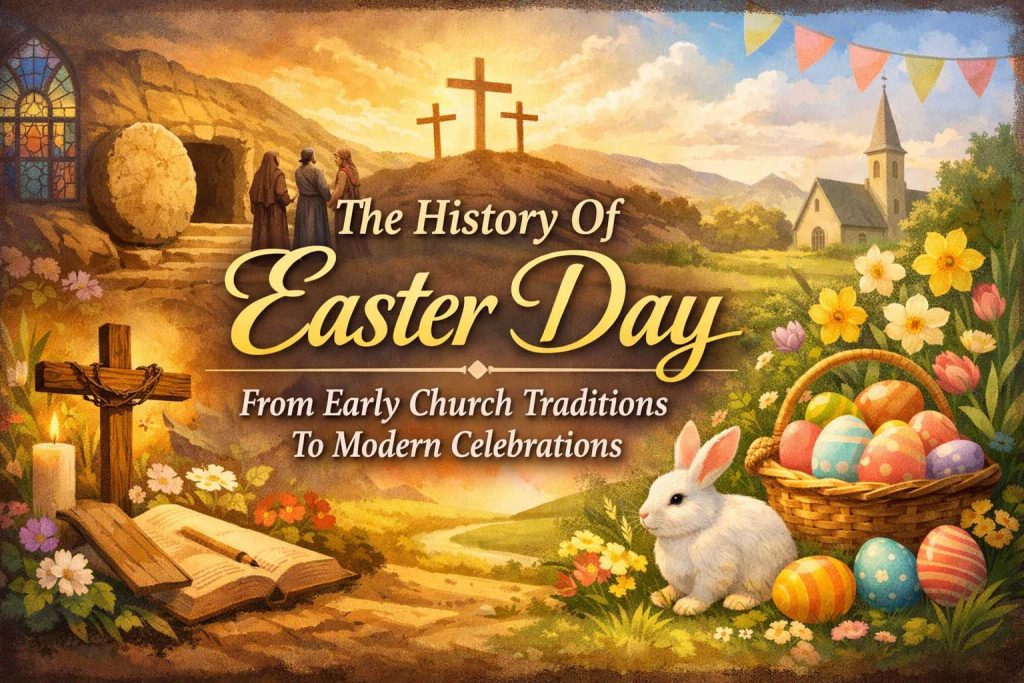
The history of easter day is deeply connected to the development of early Christianity and the traditions that formed around the resurrection story. Many people today celebrate Easter as a seasonal holiday filled with family gatherings, church services, and spring traditions, yet the history of easter day extends far beyond modern customs. The origins of the celebration reach back to the earliest Christian communities who gathered to remember the resurrection of Jesus Christ. Understanding the history of easter day helps explain how a religious remembrance gradually evolved into one of the most widely observed Christian celebrations in the world.
Exploring the history of easter day also reveals how the holiday developed through centuries of church tradition, cultural adaptation, and theological reflection. Early believers commemorated the resurrection through simple gatherings and teachings long before formal celebrations were established. Over time, these practices became structured church events that eventually shaped what people now recognize as Easter Sunday. By examining easter origins and the historical development of the holiday, it becomes easier to understand both the religious meaning and the cultural traditions that define Easter today.
The Early Religious Foundations Of The History Of Easter Day
The history of easter day begins with the earliest Christian teachings about the resurrection of Jesus Christ. According to the New Testament, followers of Jesus discovered an empty tomb on Sunday morning after the crucifixion. This event became the central message of the Christian faith and formed the theological foundation for the Easter celebration. Early Christian communities did not initially have a formal holiday called Easter, but they regularly gathered to remember the resurrection and reflect on its meaning for their faith.
During the first centuries of Christianity, believers focused on teaching and sharing the message of the resurrection rather than organizing elaborate celebrations. These early gatherings laid the groundwork for what would later become the history of easter day. The remembrance of the resurrection gradually developed into a structured annual event as Christian communities expanded across different regions of the Roman Empire.
The Resurrection Story In Early Christian Teaching
The resurrection narrative recorded in the Gospel accounts played a central role in shaping the history of easter day. Early Christian leaders taught that the resurrection demonstrated the fulfillment of divine promises and confirmed the significance of Jesus’ teachings. Because of this belief, the resurrection became the most important event remembered within the Christian tradition.
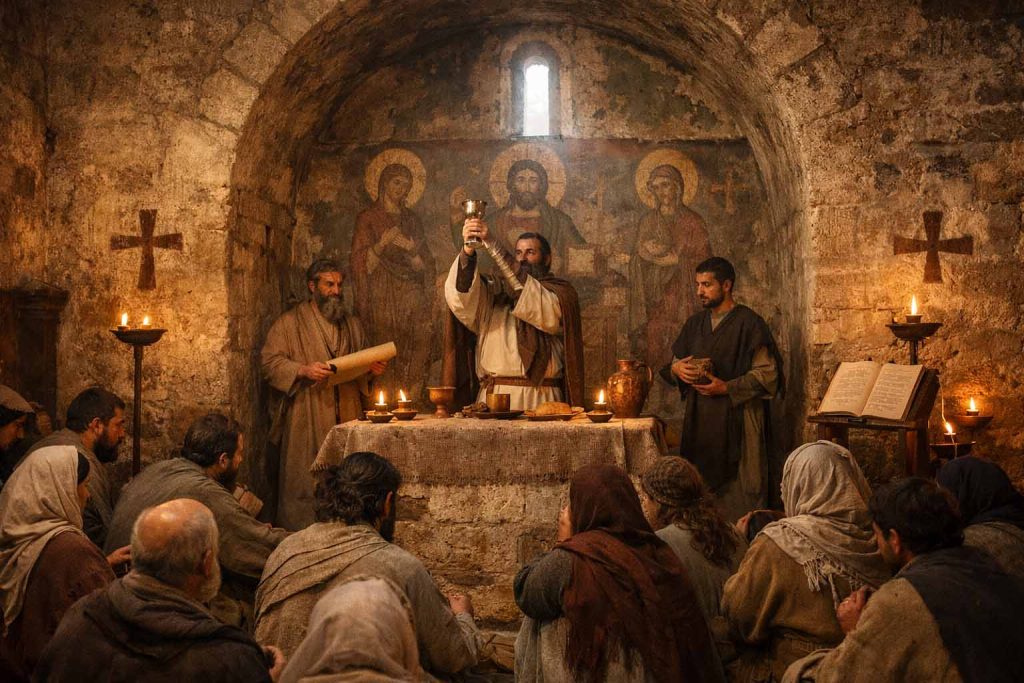
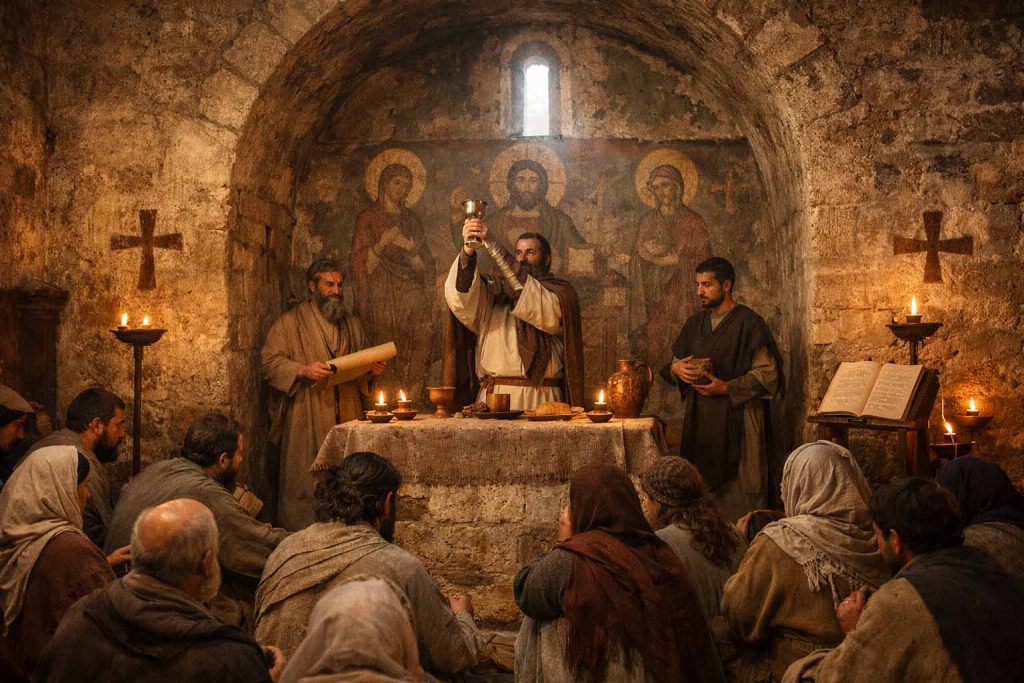
As Christian communities grew, believers began gathering regularly to share teachings about the resurrection and its meaning. These early gatherings were simple and focused on prayer, scripture readings, and communal reflection. Although the celebrations were modest compared to modern Easter traditions, they formed the earliest expressions of what would eventually develop into the history of easter day.
How The Earliest Christians Remembered The Resurrection
Before formal Easter celebrations emerged, early Christians remembered the resurrection through weekly gatherings on Sundays. These meetings emphasized worship, teaching, and the sharing of meals within the community. Sunday became associated with the resurrection because the Gospel accounts described the discovery of the empty tomb on the first day of the week.
These early practices were essential in shaping the history of easter day. By gathering each week to remember the resurrection, Christian communities gradually developed traditions that eventually led to an annual celebration dedicated specifically to the event. Over time, these traditions grew more organized as church leadership began to guide the structure of Christian worship.
The Origins Of Easter Celebrations In The Early Church
As Christianity spread throughout the Roman world, church leaders began discussing how the resurrection should be commemorated each year. These discussions played a major role in shaping the history of easter day because different regions initially observed the celebration at different times. Some communities connected the celebration to the Jewish Passover, while others preferred a separate annual observance.
The effort to unify these traditions eventually led to important decisions within the early church. Church leaders recognized that establishing a consistent celebration would strengthen unity among Christian communities. These discussions marked a significant step in the historical development of Easter and helped define the earliest structure of the holiday.
The Role Of Early Church Councils
One of the most important turning points in the history of easter day occurred when church leaders gathered to discuss how the resurrection should be commemorated across the Christian world. Councils of church leaders addressed questions about the timing of the celebration and worked to establish a shared system that could be followed by believers in different regions.
These discussions eventually contributed to the development of the system still used today to determine when is easter day each year. The decisions made by early church leaders helped create a unified celebration that allowed Christian communities across different countries to remember the resurrection together.
How Easter Became The Central Christian Celebration
Over time, the celebration of the resurrection gradually became the most important annual event in the Christian calendar. Churches organized special services, gatherings, and teachings that focused on the meaning of the resurrection. These celebrations strengthened the significance of Easter and helped establish its role within Christian worship.
The growing importance of the celebration further shaped the history of easter day as churches developed traditions that emphasized the spiritual message of the resurrection. These traditions helped explain what is easter day for believers and why the holiday continues to hold deep religious meaning for Christian communities around the world.
How The Date Of Easter Was Established
Another important chapter in the history of easter day involves the development of the system used to determine the date of Easter each year. Unlike holidays that occur on fixed calendar dates, Easter follows a calculation based on the lunar cycle and the spring equinox. This method was designed to maintain a connection between the celebration and the seasonal patterns associated with the original biblical events.
The process of determining the Easter date reflects centuries of church tradition and astronomical observation. By establishing a consistent method for calculating the holiday, church leaders ensured that Christians across different regions could celebrate the resurrection on the same day each year. This system continues to guide how the date of Easter is determined in modern times.
The Council Of Nicaea And The Easter Calculation
A significant moment in the history of easter day occurred during the Council of Nicaea in the fourth century. Church leaders gathered to address various theological questions, including how the date of Easter should be determined. Their decision helped standardize the celebration and create a shared system that could be used across the Christian world.
The council established that Easter should be celebrated on the first Sunday after the first full moon following the spring equinox. This decision ensured that the holiday remained connected to both seasonal cycles and the biblical narrative associated with the resurrection.
Why Easter Does Not Fall On The Same Date Each Year
Because the Easter calculation is linked to the lunar cycle, the date of the celebration shifts each year. Easter can occur between late March and late April depending on when the full moon appears after the spring equinox. This variation often leads people to research the history of easter day as they try to understand why the holiday moves across the calendar.
Although the date changes annually, the meaning of the celebration remains constant. The historical system established by early church leaders continues to determine when is easter day each year while preserving the connection between the resurrection story and the seasonal timing of the celebration.
Medieval Traditions That Shaped The History Of Easter Day
During the medieval period, the history of easter day expanded beyond early church teachings and began incorporating traditions that reflected local cultures and community life. As Christianity spread across Europe, Easter celebrations gradually became more elaborate. Churches organized extended worship services, communities gathered for shared meals, and seasonal customs emerged that connected religious observance with the arrival of spring. These developments helped transform the history of easter day from a purely theological remembrance into a broader cultural celebration.
The medieval era also introduced many of the traditions that people still associate with Easter today. Religious ceremonies became more structured, and symbols connected with renewal and new life became part of Easter observance. By combining church teachings with seasonal imagery, medieval communities helped shape the long-term history of easter day and influenced how later generations would celebrate the holiday.
The Development Of Easter Symbols
Several symbols that are now strongly associated with Easter began appearing during the medieval centuries. Eggs became one of the most recognizable images connected to the celebration. In many European traditions, eggs represented new life and renewal, which aligned closely with the message of resurrection remembered on Easter Sunday. Over time, decorating eggs and sharing them during Easter gatherings became a widely practiced custom.
These symbolic traditions gradually became embedded within the history of easter day as communities passed them from one generation to another. Although the symbols themselves evolved across cultures, their connection to themes of renewal and transformation helped reinforce the spiritual meaning of Easter within Christian tradition.
Church Rituals And Easter Worship
Church rituals during the medieval period also played an important role in shaping the history of easter day. Many churches developed elaborate services that included music, scripture readings, and ceremonial reenactments of biblical events. These services allowed communities to reflect on the resurrection story in a deeply spiritual environment.
The development of these worship practices strengthened the importance of Easter within the Christian calendar. As congregations gathered for special Easter services, the celebration became firmly established as the most significant annual event within the church year. These traditions remain influential in modern Easter celebrations around the world.
How Easter Traditions Spread Across Europe
The expansion of Christianity throughout Europe played a major role in the continuing history of easter day. Missionaries, clergy, and local communities helped spread Easter traditions into new regions, where they often blended with existing cultural customs. As a result, the celebration developed unique regional variations while still maintaining its core religious meaning.
These regional adaptations helped shape the diversity of Easter traditions that exist today. Although the central message of the resurrection remained the same, different communities expressed their celebrations through local customs, foods, and festivals. This blending of traditions became a defining feature of the evolving history of easter day.
Regional Easter Customs
Different regions of Europe developed distinctive ways of celebrating Easter. Some communities focused on public festivals and parades, while others emphasized religious processions or church ceremonies. In many areas, communities organized gatherings that brought families together to share meals and celebrate the season.
These regional customs added new layers to the history of easter day by allowing local cultures to contribute their own traditions to the celebration. Over time, these practices helped create the rich diversity of Easter customs that can still be seen across Europe today.
The Influence Of Cultural Traditions
Cultural traditions played an important role in shaping how Easter was celebrated outside the church. Seasonal festivals that welcomed the arrival of spring were sometimes combined with Christian observances. This blending of religious and cultural practices helped make Easter a celebration that resonated with both spiritual and community life.
The combination of religious meaning and cultural expression strengthened the popularity of the holiday. As these traditions spread across different regions, they became lasting elements within the history of easter day and contributed to the development of modern Easter celebrations.
The Arrival Of Easter Traditions In America
When European settlers arrived in North America, they brought their religious traditions and cultural celebrations with them. These traditions included the Easter customs that had developed across centuries of European history. As Christian communities established churches throughout the American colonies, the celebration of Easter gradually became part of the religious calendar in the United States.
The history of easter day in America reflects both the religious heritage of European settlers and the cultural influences that emerged within the new society. Over time, Easter traditions adapted to the American environment while still preserving the core message of the resurrection.
Early Easter Celebrations In Colonial America
In the early colonial period, Easter celebrations were often modest and centered around church services. Congregations gathered for prayer, scripture readings, and reflection on the resurrection story. These gatherings reflected the traditions that settlers had brought from Europe while adapting to the realities of life in the colonies.
As communities grew and churches became more established, Easter celebrations gradually expanded. These developments helped integrate the holiday into American religious life and contributed to the growing history of easter day within the United States.
How American Culture Influenced Easter
Over time, American culture introduced new elements into Easter celebrations. Community events, family gatherings, and seasonal activities became part of the holiday. These traditions helped transform Easter into a celebration that combined both religious reflection and social connection.
The influence of American culture also encouraged the growth of popular Easter activities that brought families and communities together. These traditions added new chapters to the history of easter day while preserving its religious significance.
The Rise Of Popular Easter Traditions
In modern times, Easter traditions have expanded to include a wide range of activities that reflect both cultural and religious influences. Families gather for meals, communities organize events for children, and churches hold special services dedicated to the resurrection. These activities illustrate how the history of easter day has evolved across centuries while continuing to maintain its central message.
Many of the traditions associated with Easter today developed gradually over time. While some originated within church practices, others emerged from cultural customs that became linked with the holiday. Together, these traditions demonstrate how the celebration has adapted while still honoring its historical origins.
The Popularity Of Easter Egg Hunts
One of the most widely recognized Easter traditions today is the Easter egg hunt. Communities organize events where children search for hidden eggs in parks, gardens, or church grounds. This activity has become a beloved part of Easter celebrations for many families.
Although the egg hunt is often seen as a playful activity, it also reflects deeper symbolic themes connected to the history of easter day. The egg has long represented new life and renewal, making it a fitting symbol for a celebration centered on resurrection.

Family Gatherings And Easter Meals
Family gatherings are another important element of modern Easter celebrations. Many families prepare special meals and spend time together during the holiday weekend. These gatherings provide an opportunity for relatives and friends to reconnect while sharing in the traditions associated with the celebration.
These family-centered traditions demonstrate how the history of easter day has expanded beyond its early religious roots to include social and cultural expressions. The holiday now serves as both a spiritual observance and a time for community connection.
The Continuing Meaning Of Easter Today
Despite the many cultural traditions that surround the holiday, the history of easter day remains closely connected to the resurrection story that inspired its earliest celebrations. Churches around the world continue to hold special services dedicated to remembering the resurrection and reflecting on its meaning for Christian faith.
For many believers, understanding what is easter day involves both recognizing the historical origins of the celebration and appreciating its spiritual significance. The story remembered on Easter Sunday continues to inspire religious reflection and community gatherings across many cultures.
Easter In Contemporary Christian Worship
Modern churches often organize sunrise services, special musical programs, and communal gatherings during the Easter season. These celebrations allow congregations to reflect on the message of hope associated with the resurrection.
These practices demonstrate how the history of easter day continues to influence contemporary Christian worship. Although traditions may vary between denominations and regions, the central message of Easter remains the same.
Why The History Of Easter Day Still Matters
Learning about the history of easter day allows people to better understand the traditions that shape modern celebrations. By exploring easter origins, readers can see how centuries of religious practice and cultural development have influenced the holiday observed today.
The long journey from early Christian gatherings to modern Easter celebrations highlights how traditions evolve over time. Yet the message remembered on Easter Sunday continues to unite believers and communities around the world each year.
FAQ About The History Of Easter Day
What Is The History Of Easter Day
The history of easter day begins with early Christian remembrance of the resurrection of Jesus Christ. Over centuries, church traditions and cultural customs gradually shaped the holiday into the celebration that is observed today.
Although modern Easter includes many cultural traditions, its historical foundation remains rooted in the religious narrative of the resurrection and the early Christian communities who commemorated it.
What Are The Easter Origins
Easter origins can be traced back to the earliest Christian teachings about the resurrection. Early believers gathered to remember this event long before formal Easter celebrations were established.
As Christianity expanded across regions and cultures, these early practices evolved into the traditions that now define the history of easter day and the global celebration of Easter.