
No products in the cart.

Easter Gift Ideas
Is Easter the Day Jesus Rose and Did Jesus Die on Easter Day?

02
Mar
Mar
Is easter the day jesus rose, and did jesus die on easter day? These two questions are closely related but often misunderstood. Many people assume that Easter marks both the death and resurrection of Jesus Christ, yet the Christian calendar distinguishes clearly between these events. Easter Sunday commemorates the resurrection, while the crucifixion is remembered separately on Good Friday. Understanding the difference is essential for accurate biblical interpretation and theological clarity. To fully answer whether is easter the day jesus rose, it is necessary to examine the Gospel accounts, the timeline of events from Friday to Sunday, and the way early Christians understood the resurrection narrative.
Is Easter the Day Jesus Rose According to the Bible
According to the New Testament, Easter Sunday commemorates the resurrection of Jesus Christ. The biblical accounts describe how Jesus was crucified, buried, and then rose from the dead on the third day. This third day corresponds to Sunday, which is why Easter is always observed on a Sunday. When asking is easter the day jesus rose, the biblical answer is clear: Easter Sunday represents the celebration of the resurrection event. It does not commemorate the crucifixion itself, but rather the moment Christians believe death was overcome.
The Gospel Accounts of the Resurrection
The resurrection narrative appears in all four Gospels—Matthew, Mark, Luke, and John. Each account describes how women followers of Jesus visited the tomb early on the first day of the week and discovered it empty. Angels or messengers announced that Jesus had risen. These accounts form the primary scriptural foundation for understanding why Easter Sunday is associated with the resurrection. The consistent placement of the resurrection on the first day of the week supports the conclusion that is easter the day jesus rose can be answered affirmatively within Christian doctrine.
Although the Gospel narratives differ in certain descriptive details, they agree on the central claim that the tomb was empty and that Jesus appeared to his followers after his death. This shared testimony strengthened early Christian belief and shaped the development of Easter as an annual observance. The biblical consistency reinforces the theological foundation of Easter Sunday as Resurrection Day.
Why Easter Sunday Represents the Resurrection
Easter Sunday represents the resurrection because it commemorates the specific day on which the resurrection was discovered. In Jewish tradition, days were counted inclusively, meaning part of Friday, all of Saturday, and part of Sunday constituted three days. This inclusive counting explains how the resurrection could occur on the third day following a Friday crucifixion. Understanding this cultural context clarifies why Easter Sunday holds such significance.
The choice of Sunday also shaped early Christian worship patterns. Christians began gathering weekly on Sundays to honor the resurrection, and over time this weekly practice developed into the annual celebration of Easter. The historical continuity between biblical narrative and liturgical observance strengthens the conclusion that is easter the day jesus rose is answered directly through both scripture and tradition.
Did Jesus Die on Easter Day or on Good Friday
While Easter Sunday commemorates the resurrection, the crucifixion occurred earlier in the week. This distinction addresses the common question did jesus die on easter day. The biblical timeline indicates that Jesus was crucified on Friday, which Christians observe as Good Friday. Therefore, Jesus did not die on Easter Day; instead, Easter celebrates the event that followed his death. Clarifying this sequence is essential for understanding the theological and historical structure of Holy Week.
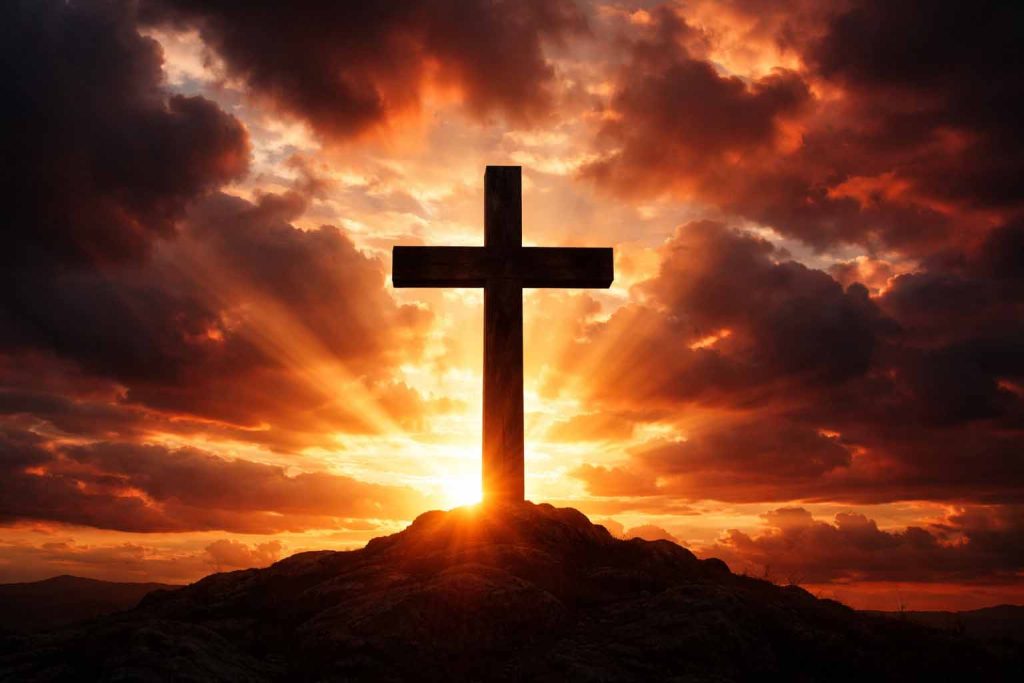
The Crucifixion Timeline
According to the Gospel accounts, Jesus was arrested, tried, and crucified on the day before the Jewish Sabbath. Since the Sabbath begins at sunset on Friday, Jesus was buried before evening in order to comply with Jewish burial customs. This detail firmly places the crucifixion on Friday rather than Sunday. The timeline demonstrates that the resurrection occurred after a period of burial and rest during the Sabbath.
Understanding the crucifixion timeline resolves confusion surrounding whether did jesus die on easter day. The answer is no; his death is commemorated on Good Friday, two days before Easter Sunday. This separation between crucifixion and resurrection forms the theological structure of Holy Week observances.
Why Good Friday Commemorates the Crucifixion
Good Friday is observed as the day of remembrance for the crucifixion of Jesus Christ. Despite the somber nature of the event, it is called “Good” because Christians believe the crucifixion was part of a divine plan of redemption. The suffering and sacrifice of Jesus are viewed as essential components of the salvation narrative.
By separating Good Friday from Easter Sunday, the Christian calendar emphasizes the progression from death to resurrection. This distinction reinforces the understanding that is easter the day jesus rose refers specifically to the resurrection event and not to the crucifixion.
The Three-Day Timeline Explained
One of the primary reasons confusion arises around is easter the day jesus rose is misunderstanding the phrase “on the third day.” Modern readers often interpret three days as seventy-two full hours, but ancient Jewish counting methods were different. Inclusive counting allowed part of a day to be considered a full day, which explains how Friday, Saturday, and Sunday collectively fulfill the three-day prophecy.
Understanding “On the Third Day”
In Jewish culture during the first century, counting days inclusively was common practice. If an event occurred late on Friday, that portion of Friday was counted as day one. Saturday constituted day two, and Sunday morning represented day three. This method clarifies how the resurrection could occur on Sunday while still being described as happening “on the third day.”
Recognizing this cultural context resolves apparent contradictions in the timeline and supports the theological claim that is easter the day jesus rose. The resurrection on Sunday aligns with both scriptural description and historical counting practices.
Why the Timeline Causes Confusion
Modern readers often apply contemporary time measurement standards to ancient texts, which can lead to misunderstanding. When seventy-two literal hours are expected, the Friday-to-Sunday timeline appears inconsistent. However, applying historical context restores clarity and coherence to the narrative.
This clarification is important because confusion about timing often fuels the mistaken belief that did jesus die on easter day. Proper understanding of the timeline distinguishes clearly between the crucifixion and the resurrection and reinforces the theological structure of Easter observance.
What Happened Between the Crucifixion and Easter
Between the crucifixion on Friday and the resurrection on Sunday, the Gospel accounts describe a period of burial and Sabbath rest. Jesus was placed in a tomb by Joseph of Arimathea, and the tomb was sealed. The following day, which was the Jewish Sabbath, was observed as a day of rest according to Jewish law. This interlude plays a critical role in the resurrection narrative.
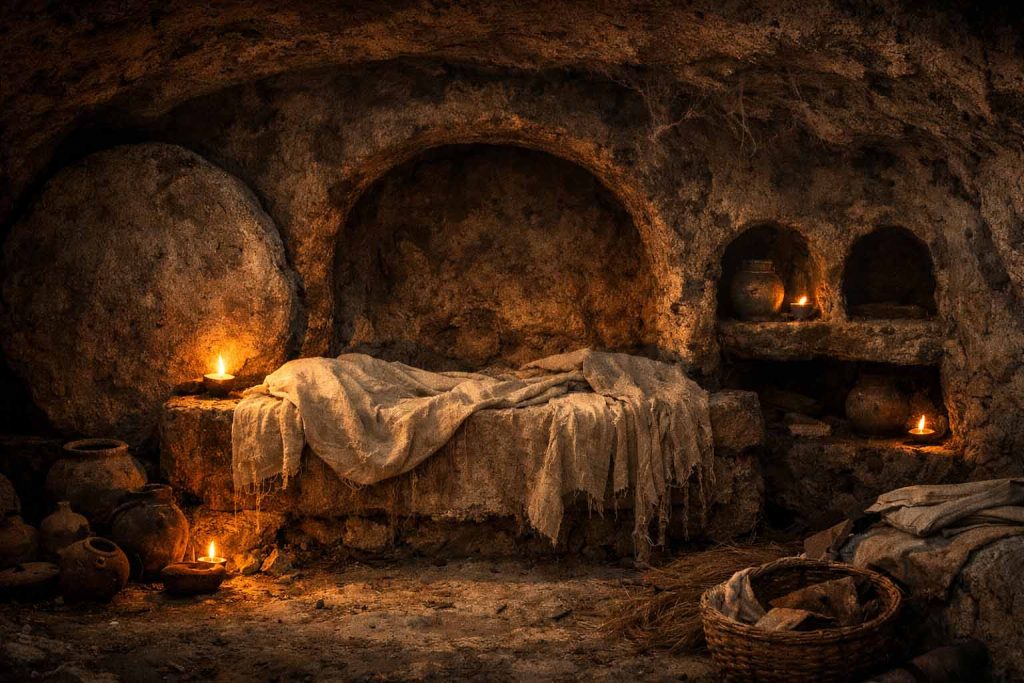
The Burial in the Tomb
After the crucifixion, Jesus’s body was placed in a tomb carved from rock. A large stone was rolled across the entrance, and guards were reportedly stationed nearby. These details emphasize the finality of his death and set the stage for the dramatic discovery of the empty tomb on Sunday morning.
The burial narrative reinforces that Easter does not commemorate the moment of death but rather the event that followed. The sealed tomb becomes a powerful symbol within the resurrection story and supports the answer to is easter the day jesus rose.
The Sabbath Observance
The day following the crucifixion was the Jewish Sabbath, during which work was prohibited. Jesus’s followers observed this rest period before returning to the tomb on Sunday morning. This observance explains the chronological gap between Friday and Sunday and reflects the cultural setting of the events.
Understanding this Sabbath interval clarifies the full sequence of Holy Week and eliminates confusion about whether did jesus die on easter day. The resurrection occurs after the Sabbath, completing the three-day narrative central to Easter.
Why the Resurrection Is Central to Easter
Understanding is easter the day jesus rose requires recognizing why the resurrection stands at the center of Christian belief. Easter is not simply a historical remembrance but a theological proclamation that Jesus conquered death. The resurrection is viewed as confirmation of divine authority and fulfillment of prophecy. This is why Easter Sunday carries such importance within Christian doctrine. While the crucifixion is remembered with solemnity on Good Friday, Easter celebrates the triumph that followed. The distinction between death and resurrection is essential to understanding the full meaning of Holy Week.
Theological Meaning of the Resurrection
Within Christian theology, the resurrection is interpreted as proof that Jesus is the Son of God and that his teachings are divinely validated. It represents victory over sin and death and provides the foundation for the doctrine of eternal life. When believers affirm that is easter the day jesus rose, they are affirming a core tenet of faith that shapes Christian identity and worldview.
This theological meaning explains why Easter remains the most significant celebration in Christianity. The resurrection transforms what could have been a tragic ending into a proclamation of hope. It is this transformation that gives Easter its enduring power and relevance across centuries.
Why Easter Is Not About the Crucifixion
Although the crucifixion is central to Christian belief, it is not the focus of Easter Sunday itself. The crucifixion is commemorated on Good Friday, which answers clearly the question did jesus die on easter day. The answer is no; Jesus died on Friday, and Easter celebrates what happened afterward. This separation ensures that each event is honored with its appropriate theological emphasis.
By distinguishing between Good Friday and Easter Sunday, the Christian calendar preserves the narrative structure of death followed by resurrection. This progression highlights the importance of both events while maintaining clarity about their timing and meaning.
How Early Christians Understood Easter
Early Christian communities placed great emphasis on the resurrection as the defining event of their faith. Even before Easter became an annual observance, believers gathered weekly on Sundays to commemorate the resurrection. This practice demonstrates how central the event was to early worship and teaching. The question is easter the day jesus rose would have been understood clearly by these early believers, as Sunday gatherings were directly connected to the resurrection narrative.
Sunday Gatherings in the Early Church
The Book of Acts and early Christian writings indicate that believers met on the first day of the week. This choice was deliberate, reflecting the belief that the resurrection occurred on Sunday. Over time, Sunday became the established day of Christian worship, reinforcing the connection between weekly gatherings and the resurrection event.
This pattern of worship underscores the centrality of the resurrection in early Christian life. The emphasis on Sunday observance laid the foundation for the later development of Easter as an annual celebration.
Development of Easter as Annual Celebration
As Christianity spread, communities began marking the resurrection not only weekly but also annually. This annual observance became formalized over time, eventually developing into the structured Easter celebration recognized today. The annual focus allowed believers to reflect more deeply on the events of Holy Week.
The institutionalization of Easter reinforced the understanding that is easter the day jesus rose is not merely a theological claim but a liturgical reality embedded within Christian tradition.
Common Misconceptions About Did Jesus Die on Easter Day
Despite clear biblical accounts, confusion persists about whether did jesus die on easter day. This misunderstanding often arises from limited knowledge of the structure of Holy Week. Cultural familiarity with the term “Easter” sometimes leads people to associate all events of that week with the same day.
Why Many People Mix Up the Days
The use of the term “Easter weekend” can blur distinctions between Good Friday and Easter Sunday. In casual conversation, these days are sometimes grouped together without attention to their separate meanings. This linguistic simplification contributes to confusion about the timeline.
Additionally, individuals who are not deeply familiar with Christian liturgy may not distinguish between the commemoration of the crucifixion and the celebration of the resurrection. Clarifying these differences helps answer both is easter the day jesus rose and did jesus die on easter day with greater accuracy.
The Difference Between Good Friday and Easter Sunday
Good Friday focuses on remembrance of suffering and sacrifice, while Easter Sunday centers on joy and triumph. The emotional tone of these observances differs significantly, reflecting their distinct theological meanings. This contrast reinforces the chronological sequence of events.
Understanding this difference is essential for proper interpretation of the Easter narrative. The crucifixion and resurrection are interconnected, yet they are commemorated separately to preserve their individual significance.
Is Easter the Same as Resurrection Day
In many churches, Easter Sunday is also referred to as Resurrection Day. This terminology emphasizes the central event being celebrated. When asking is easter the day jesus rose, the alternative name Resurrection Day provides a direct answer. The terminology highlights the focus on the resurrection rather than on other aspects of Holy Week.
Modern Terminology in Churches
Some congregations prefer the term Resurrection Sunday to emphasize theological clarity. This wording removes potential ambiguity and focuses attention on the specific event being commemorated. The change in terminology does not alter the meaning but strengthens the emphasis on the resurrection.
The use of this term reinforces the understanding that Easter Sunday celebrates the moment Christians believe Jesus rose from the dead.
Why the Meaning Remains the Same
Whether referred to as Easter Sunday or Resurrection Day, the theological content remains unchanged. Both terms point to the same event and carry the same doctrinal significance. The variation in terminology reflects stylistic preference rather than theological difference.
This consistency across terminology further confirms that is easter the day jesus rose can be answered confidently within Christian teaching.
How the Easter Timeline Connects to When Is Easter Day
Understanding the resurrection timeline also connects to the broader question of when is easter day. Easter is always celebrated on a Sunday, but the specific date changes each year due to its calculation based on the spring equinox and the lunar cycle. This movable structure ensures that the resurrection is commemorated on a Sunday each year.
Why Easter Date Changes Each Year
The date of Easter is determined as the first Sunday after the first full moon following March 21. This calculation causes the holiday to shift annually within a defined range. Despite this variation, the celebration consistently falls on a Sunday to honor the resurrection narrative.
This system ensures continuity with the biblical account while maintaining alignment with seasonal and astronomical cycles. It demonstrates how liturgical tradition preserves theological meaning through calendar structure.
Why Resurrection Always Falls on Sunday
Sunday remains the anchor of Easter because it reflects the day the resurrection was discovered. Regardless of the changing calendar date, the theological importance of Sunday remains constant. This continuity underscores the connection between biblical narrative and annual observance.
By maintaining Sunday as the celebration day, Christian tradition reinforces the answer to is easter the day jesus rose and ensures that the resurrection remains the central focus of Easter.
See more: What Is Easter Day? Meaning, Origin, and Why It Is Celebrated
FAQ: Is Easter the Day Jesus Rose
Is easter the day jesus rose
Yes, Easter Sunday commemorates the resurrection of Jesus Christ. According to the New Testament, Jesus rose from the dead on the third day following his crucifixion, which corresponds to Sunday.
The celebration of Easter focuses specifically on this resurrection event rather than on the crucifixion itself.
Did jesus die on easter day
No, Jesus did not die on Easter Day. According to Christian tradition, he was crucified on Good Friday, two days before Easter Sunday.
Easter commemorates the resurrection, not the crucifixion.
Why is Good Friday before Easter
Good Friday marks the crucifixion of Jesus Christ, which occurred before the resurrection. It is observed two days prior to Easter Sunday within the structure of Holy Week.
This sequence reflects the biblical timeline of death followed by resurrection.
What happened between Friday and Sunday
Between Friday and Sunday, Jesus was buried in a tomb and remained there during the Jewish Sabbath. On Sunday morning, the tomb was discovered empty.
This period completes the three-day narrative central to the Easter celebration.