
No products in the cart.

Easter Gift Ideas
Can You Eat Meat on Easter Day and What Day Is Easter Friday?
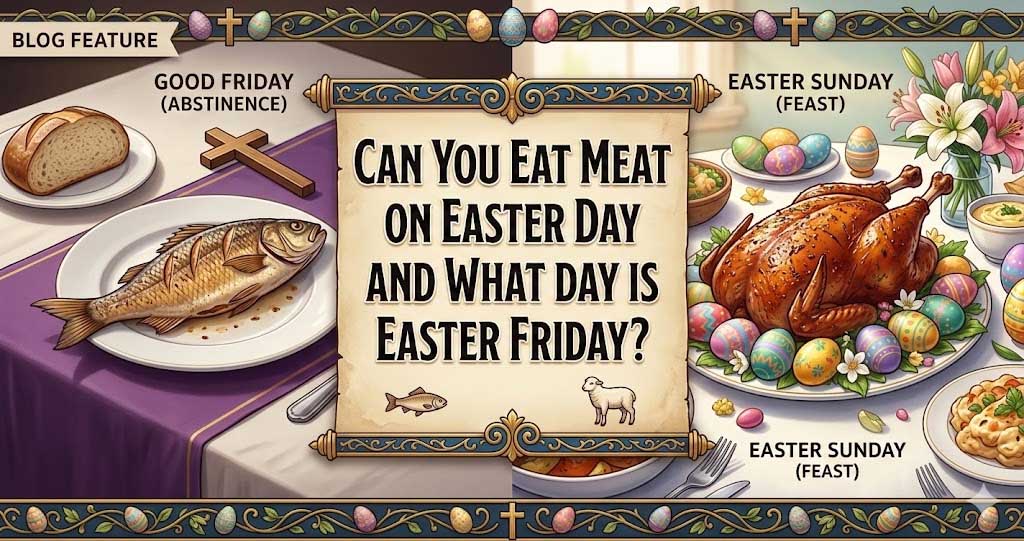
02
Mar
Mar
Can you eat meat on easter day, and what day is easter friday? These questions frequently arise during Holy Week, particularly among individuals who are unsure how fasting traditions apply once Easter arrives. Many people associate Easter with the end of Lent, but confusion often remains about whether dietary restrictions continue into Easter Sunday. The misunderstanding usually stems from blending Good Friday and Easter Sunday into a single “Easter weekend” without recognizing their distinct theological meanings. To answer whether can you eat meat on easter day, it is necessary to understand the structure of Holy Week, the purpose of Lenten fasting, and the celebratory nature of Easter itself.
Can You Eat Meat on Easter Day in Christianity
In most Christian traditions, the answer to can you eat meat on easter day is yes. Easter Sunday is considered a feast day that celebrates the resurrection of Jesus Christ. Because it marks the end of the Lenten season, fasting and abstinence practices are typically lifted. Easter is not a day of mourning or penitence but a day of joy and celebration. This shift in tone from solemn reflection to celebration is central to understanding Christian observance of the holiday. While dietary practices vary slightly between denominations, Easter Sunday itself is generally not subject to meat restrictions.
Why Easter Sunday Is a Feast Day
Easter Sunday is classified as a feast day within the Christian liturgical calendar. Feast days are intended to celebrate significant religious events, and the resurrection is considered the most important event in Christian theology. The joy associated with the resurrection stands in contrast to the solemnity of Good Friday. Because of this celebratory character, the restrictions observed during Lent typically conclude before Easter Sunday begins.
Understanding that Easter is a feast day clarifies why can you eat meat on easter day is usually answered affirmatively. The lifting of dietary restrictions symbolizes the transition from penitence to joy. In many communities, shared meals featuring traditional dishes reinforce the celebratory meaning of the day.
Differences Between Denominations
Although most Christian denominations allow meat consumption on Easter Sunday, the way fasting is practiced during Lent differs among traditions. Roman Catholics are required to abstain from meat on Fridays during Lent, particularly on Good Friday. Protestants often observe Lent voluntarily, and practices may vary widely among congregations. Eastern Orthodox Christians follow stricter fasting rules during Great Lent but also celebrate Easter with festive meals once the fast concludes.
Despite these variations, Easter Sunday itself is widely regarded as a day when restrictions are lifted. Therefore, when asking can you eat meat on easter day, the answer across most denominations in the United States remains yes, as the day marks the culmination of the Lenten season and the beginning of celebration.
What Day Is Easter Friday and Why It Matters
The phrase what day is easter friday often reflects confusion between Good Friday and Easter Sunday. There is no separate holiday officially called “Easter Friday” in Christian tradition. Instead, Good Friday is the Friday that occurs two days before Easter Sunday. It commemorates the crucifixion of Jesus Christ and is observed as a solemn day of reflection. Understanding the distinction between Good Friday and Easter Sunday is essential to resolving dietary questions and clarifying Holy Week observances.
Is Easter Friday the Same as Good Friday
When individuals ask what day is easter friday, they are typically referring to Good Friday. Good Friday falls on the Friday immediately preceding Easter Sunday and marks the day Christians remember the crucifixion of Jesus. It is a solemn observance characterized by prayer, reflection, and, in some traditions, fasting or abstinence from meat.
This distinction explains why dietary restrictions apply on Good Friday but not on Easter Sunday. Confusing the two days can lead to misunderstanding about whether can you eat meat on easter day. Properly identifying Good Friday as a separate observance clarifies the timeline of Holy Week.
When Is Good Friday Compared to Easter
Good Friday always occurs two days before Easter Sunday. Since Easter is a movable feast determined by the lunar calendar, the date of Good Friday also changes each year. However, the relationship between the two remains constant: Good Friday commemorates the crucifixion, while Easter Sunday celebrates the resurrection.
Understanding this sequence helps clarify both what day is easter friday and how it differs from Easter Sunday. The crucifixion and resurrection are interconnected events, but they are commemorated separately to preserve their distinct theological meanings.
Why Meat Is Restricted on Good Friday
To understand fully whether can you eat meat on easter day, it is helpful to examine why meat is restricted on Good Friday in certain traditions. The practice of abstaining from meat is rooted in historical and symbolic considerations. In earlier centuries, meat was considered a luxury and a sign of celebration. Abstaining from it symbolized humility, sacrifice, and solidarity with the suffering of Christ.

The Meaning of Lenten Fasting
Lent is a forty-day period of preparation leading up to Easter, commemorating the forty days Jesus spent fasting in the wilderness. During this time, many Christians practice forms of self-denial or abstinence. In Roman Catholic teaching, abstaining from meat on Fridays during Lent is a long-standing tradition. Good Friday, as the day of the crucifixion, carries particular significance within this framework.
The purpose of fasting during Lent is not merely dietary but spiritual. It is intended to foster reflection, repentance, and deeper commitment. This context explains why restrictions apply on Good Friday but not on Easter Sunday, when the focus shifts to celebration.
Why Meat Symbolizes Celebration
Historically, meat consumption was associated with festivity and abundance. In times when resources were limited, meat was not an everyday food but a special indulgence. Choosing not to eat meat on solemn days symbolized restraint and reverence. The act of abstinence became a visible sign of penitence and reflection.
Once Easter Sunday arrives, the tone changes from solemnity to celebration. This shift explains why the answer to can you eat meat on easter day is generally yes. The resurrection marks the end of mourning and the beginning of joy, symbolized in part through celebratory meals.
Why You Can Eat Meat on Easter Sunday
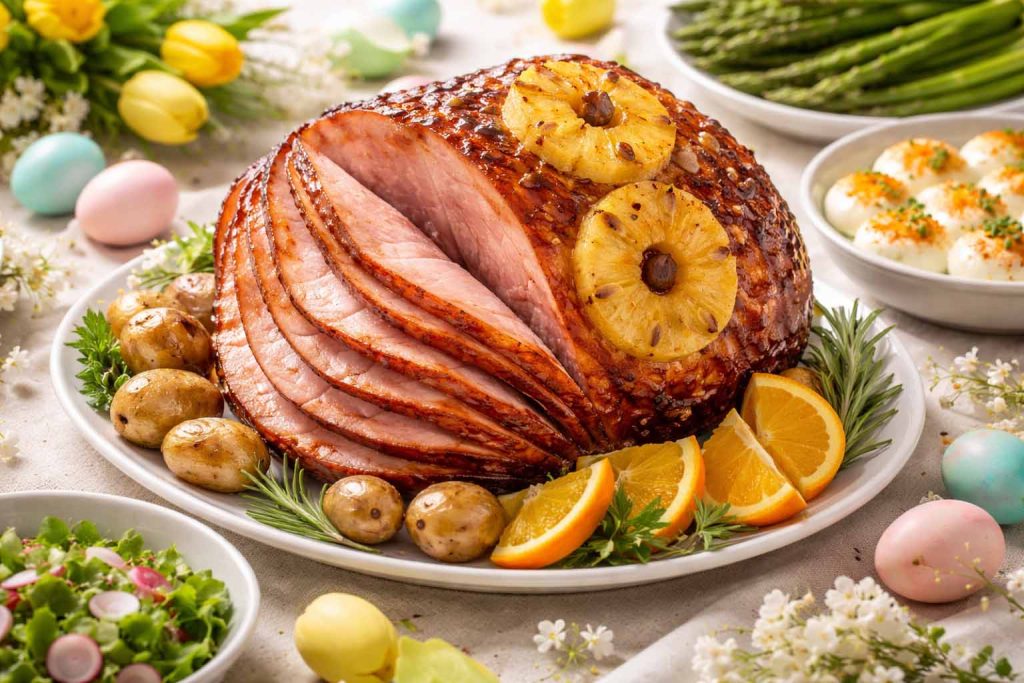
Easter Sunday represents the conclusion of Lent and the beginning of a season of celebration known as Eastertide. Because it commemorates the resurrection, it is viewed as a day of joy rather than fasting. The lifting of dietary restrictions symbolizes spiritual renewal and victory over death. For most Christians in the United States, Easter meals often include meat dishes shared among family members as part of communal celebration.
The End of Lent
Lent officially concludes before Easter Sunday begins, which means that fasting obligations end at that point. In Roman Catholic practice, the Lenten season ends at sundown on Holy Saturday, immediately before Easter Sunday. This timing ensures that Easter is observed as a feast rather than a continuation of penitence.
Recognizing the conclusion of Lent clarifies why can you eat meat on easter day does not conflict with traditional fasting practices. The celebration of Easter marks a deliberate transition from sacrifice to joy.
Why Easter Is a Celebration, Not a Fast
Easter celebrates the resurrection of Jesus Christ, an event Christians believe signifies triumph over death and the fulfillment of divine promise. This victory theme shapes the tone of the day. Rather than emphasizing restraint, Easter emphasizes gratitude and communal joy.
Shared meals on Easter Sunday reflect this celebratory character. The inclusion of meat in these meals symbolizes abundance and renewed hope. This symbolism reinforces why dietary restrictions associated with Good Friday do not carry over into Easter Sunday.
Can Catholics Eat Meat on Easter Day
For Roman Catholics, the question can you eat meat on easter day is clearly addressed within canon law and liturgical tradition. The Catholic Church requires abstinence from meat on Fridays during Lent, with Good Friday being the most solemn of those observances. However, Easter Sunday is not a day of abstinence. Instead, it is considered a solemn feast celebrating the resurrection. This distinction is essential for Catholics who observe Lenten practices faithfully and want to ensure they are following Church guidance correctly.
Official Catholic Teaching
According to Catholic teaching, abstinence from meat applies specifically to Fridays during Lent, especially Good Friday. These practices are designed to promote reflection and spiritual discipline. However, the restrictions do not extend to Easter Sunday, which marks the end of the penitential season. The transition from Lent to Easter represents a shift in tone from sacrifice to celebration.
Therefore, when Catholics ask can you eat meat on easter day, the answer is yes. Easter Sunday is a day of joy and thanksgiving, and traditional Easter meals often include meat dishes as part of communal celebration.
Common Misunderstandings
Confusion sometimes arises when people refer to what day is easter friday and mistakenly assume dietary rules carry into the weekend. Because Good Friday and Easter Sunday are part of the same Holy Week, the distinction between solemn observance and festive celebration may become blurred.
Clarifying that Good Friday commemorates the crucifixion and Easter Sunday celebrates the resurrection helps eliminate uncertainty. Recognizing these distinct purposes ensures accurate understanding of dietary obligations within Catholic tradition.
Can Protestants Eat Meat on Easter Day
Protestant denominations generally do not impose mandatory dietary restrictions during Lent. While many Protestant Christians voluntarily observe forms of fasting, these practices are not universally required. As a result, the question can you eat meat on easter day is usually answered without ambiguity within Protestant communities. Easter Sunday is widely understood as a celebration of the resurrection and not a day of abstinence.
Protestant View of Lent
In many Protestant traditions, Lent is observed as a period of personal reflection rather than as a strictly regulated season. Individuals may choose to give up certain foods or habits, but these practices are typically voluntary. Because there is no universal rule requiring abstinence from meat, the issue does not carry the same weight as in Catholic or Orthodox traditions.
This flexibility means that Easter Sunday is clearly viewed as a celebratory day. The resurrection theme dominates the focus of worship, and communal meals often reflect that joy.
Modern Practice in the United States
In the United States, Protestant families frequently gather for Easter meals that include traditional dishes such as ham, lamb, or roast beef. These meals symbolize celebration and community rather than restriction. The emphasis is placed on worship services and shared fellowship.
As a result, among Protestant communities, the answer to can you eat meat on easter day is generally yes, and the day is approached as a festive conclusion to the season leading up to Easter.
Can Orthodox Christians Eat Meat on Easter
Eastern Orthodox Christians observe one of the most rigorous fasting traditions during Great Lent. During this period, meat and other animal products are typically avoided. However, once Easter—known as Pascha in Orthodox tradition—arrives, the fast is dramatically broken. The celebration includes rich foods that were previously restricted, symbolizing the joy of the resurrection.
Great Lent in Eastern Christianity
Great Lent in the Orthodox Church involves strict abstinence from meat, dairy, and sometimes other foods. This discipline is designed to foster spiritual focus and humility. The intensity of the fast underscores the contrast between the solemn preparation period and the joy of Pascha.
Understanding the depth of Orthodox fasting helps clarify why Easter itself becomes such a moment of celebration. The lifting of restrictions is deliberate and meaningful within the liturgical rhythm.
Pascha Celebration
On Easter night, Orthodox Christians gather for a midnight service that proclaims the resurrection. Immediately following the service, festive meals are shared, often including foods that were avoided during Lent. This breaking of the fast symbolizes spiritual renewal and victory over death.
Thus, even within traditions that observe the strictest fasting, the answer to can you eat meat on easter day is yes. Easter marks the end of abstinence and the beginning of celebration.
Common Confusion About What Day Is Easter Friday
The phrase what day is easter friday continues to generate confusion because it is not an official term within Christian liturgy. The correct term is Good Friday, which occurs two days before Easter Sunday. Mislabeling Good Friday as Easter Friday can lead to misunderstandings about both dietary rules and the structure of Holy Week.
Why People Use the Term “Easter Friday”
In everyday language, people sometimes group all events of Holy Week under the general label of Easter. This shorthand may simplify conversation but sacrifices precision. As a result, some individuals mistakenly believe that the crucifixion occurred on Easter Day itself.
Clarifying terminology is important for accurate understanding. Good Friday and Easter Sunday serve distinct theological purposes within Christian tradition.
Correct Timeline of Holy Week
Holy Week begins with Palm Sunday and progresses through Maundy Thursday and Good Friday before culminating in Easter Sunday. Each day commemorates a specific event in the final days of Jesus’s life. Recognizing this progression resolves confusion surrounding what day is easter friday.
Understanding this timeline also reinforces the correct answer to can you eat meat on easter day. Dietary restrictions associated with Good Friday do not extend into Easter Sunday because the days commemorate different events.
How the Meaning of Easter Affects Dietary Rules
Christian dietary practices are deeply connected to theological meaning. Periods of fasting reflect penitence and preparation, while feast days reflect joy and celebration. Easter, as the celebration of the resurrection, represents the culmination of this transition from solemnity to joy.
Feast vs Fast in Christian Tradition
Throughout Christian history, feast days and fast days have served complementary purposes. Fasting encourages humility and reflection, while feasting expresses gratitude and celebration. The contrast between Good Friday and Easter Sunday exemplifies this rhythm.
Recognizing this distinction clarifies why can you eat meat on easter day does not contradict the fasting practices of Lent. Easter Sunday intentionally marks the shift from restraint to celebration.
Why the Resurrection Changes the Tone
The resurrection is interpreted as a victory over death, which transforms the tone of observance from sorrow to joy. This shift influences not only worship but also communal behavior, including shared meals.
Celebratory meals on Easter Sunday symbolize abundance and renewed hope. This symbolism reinforces the theological meaning behind the lifting of dietary restrictions.
Related Posts:
- When Is Easter Day 2026? Complete Guide to Date, Meaning and Why It Changes
- What Is Easter Day? Meaning, Origin, and Why It Is Celebrated
FAQ – Can You Eat Meat on Easter Day
Can you eat meat on easter day
Yes, most Christian traditions permit eating meat on Easter Sunday because it is a feast day celebrating the resurrection. Restrictions associated with Lent conclude before Easter begins.
While practices vary slightly by denomination, Easter Sunday itself is generally not a day of abstinence.
What day is easter friday
There is no official holiday called Easter Friday. The correct term is Good Friday, which occurs two days before Easter Sunday and commemorates the crucifixion of Jesus Christ.
Understanding this distinction helps clarify why dietary rules apply on Good Friday but not on Easter Sunday.
Why can’t you eat meat on Good Friday
In Catholic and some other traditions, abstaining from meat on Good Friday symbolizes penitence and remembrance of the crucifixion.
This practice does not extend to Easter Sunday, which is a day of celebration.
Is Good Friday part of Easter
Good Friday is part of Holy Week but is distinct from Easter Sunday. It commemorates the crucifixion, while Easter celebrates the resurrection.
Maintaining this distinction ensures proper understanding of Christian observance and dietary practices.