
No products in the cart.

Christmas Gifts
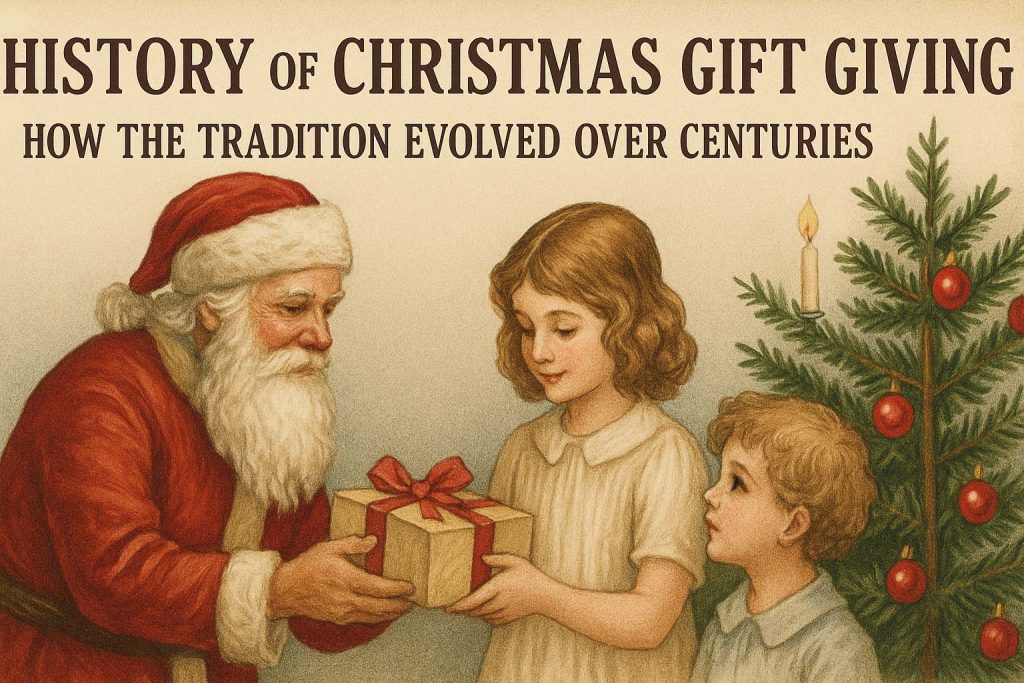
History of Christmas Gift Giving: How the Tradition Evolved Over Centuries
01
Dec
Dec
Early Origins of Holiday Gift Exchange
Long before Christmas became a widely celebrated holiday, ancient civilizations practiced symbolic forms of gifting. These early customs laid the foundation for the rituals that would eventually shape modern Christmas traditions.
Gift-Giving in Ancient Civilizations
In many early societies, gift exchange was tied to seasonal festivals, harvest celebrations, and rites of passage. People shared food, handmade objects, and symbolic tokens to honor community ties. These exchanges signified goodwill, solidarity, and mutual support during the colder months.
Some festivals featured intentional generosity, where wealthier members shared resources with the less fortunate. This theme of giving to express compassion persists in today’s holiday values.
Influence of Early Christian Traditions
As Christianity spread, new meaning was attached to holiday gift giving. Early Christians framed gifts as expressions of spiritual love, inspired partly by the Biblical story of the Magi bringing offerings to the infant Jesus. Over time, these symbolic gestures grew into a recognized part of Christmas observance.
This deeper emotional and spiritual dimension connects closely with concepts explored in meaning behind christmas gifts, where gratitude and intentionality take precedence over material value.

When Gift Giving Began to Resemble Today’s Practices
By the late Roman and early medieval periods, the exchange of small tokens around winter festivals gained popularity. As European societies evolved, these customs gradually blended with Christian celebrations. Families began exchanging practical items, handmade goods, and edible treats, creating early versions of the household-centered gifting we know today.
How Christmas Traditions Developed Across Europe
Between the Middle Ages and the early modern era, Christmas transformed from a religious observance into a broader cultural celebration. Europe played a significant role in shaping many traditions that continue to influence global customs.
Medieval Customs and Symbolic Offerings
During medieval times, gift giving often reflected social hierarchy. Nobles exchanged luxurious goods, while common families shared simple tokens crafted by hand. These gestures emphasized loyalty, respect, and family unity during the winter season.
The Rise of Home-Centered Christmas Practices
As households became more central to Christmas celebrations, families introduced rituals based around storytelling, feasting, and exchanging sentimental objects. These domestic customs laid the foundation for many modern traditions in Europe and North America.
Gift Exchange Becomes Widespread
By the 18th and 19th centuries, exchanging gifts on Christmas became a widely accepted part of European culture. Growing literacy rates, postal services, and handmade crafts helped support this transition. This shift aligns with questions explored in why we exchange gifts on christmas, where the social and emotional motivations behind gifting are examined more closely.
The American Transformation of Christmas Gifting
When German, English, Irish, and Scandinavian immigrants brought their customs to the United States, American Christmas celebrations began to take on a distinct character. Over time, the U.S. played a major role in shaping today’s global gifting culture.
Cultural Blending and Immigrant Influence
Immigrant traditions merged into a uniquely American approach to Christmas. Decorative trees, stockings, festive meals, and domestic rituals blended with local customs, creating a shared cultural identity centered around family and generosity.
The Rise of Retail and Advertising
During the late 19th and early 20th centuries, the growth of department stores and national advertising greatly changed how Americans viewed Christmas gifts. Print catalogues, window displays, and holiday sales influenced the kinds of presents families purchased each year.
This era marked the beginning of commercialized gifting but also reinforced traditions of giving to children, surprising loved ones, and creating memorable family moments.
How Gift Giving Became a National Symbol
By the mid-20th century, Christmas gifting had become a key part of American identity. Families celebrated with personalized presents, sentimental gestures, and curated keepsakes. Emotional meaning took priority over the economic value of the gift.
The Modern Meaning of Christmas Gifts
Today’s holiday gifting reflects thousands of years of cultural evolution. Although commercial influences remain strong, many households prioritize intention, storytelling, and meaningful experiences.
See more: Meaning Behind Popular Christmas Gifts: Understanding Symbolism in Holiday Giving
From Material Items to Emotional Expression
Modern gift giving focuses on emotional significance rather than cost. A carefully chosen book, handmade ornament, or family photo can express gratitude, love, or encouragement more effectively than an expensive but impersonal item.
Personalization and Story-Driven Gifting
Personalized items and handmade creations are gaining popularity, aligning strongly with the growing demand for creative christmas gifts. These presents emphasize identity, shared memories, and emotional connection.
Whether handcrafted or custom-designed, thoughtful gifts reflect the giver’s desire to celebrate the recipient’s individuality.
How Traditions Continue to Evolve
As society becomes more diverse, so do its holiday customs. Some families exchange experiences instead of physical gifts. Others incorporate traditions from different cultures or focus on sustainability and minimalism. The meaning of gifting adapts with each generation, but the core values—gratitude, compassion, and connection—remain unchanged.
Frequently Asked Questions
When did Christmas gift giving begin?
Early forms of winter gift exchange existed in ancient civilizations, but the practice became closely associated with Christmas during the medieval period as Christian traditions developed.
Why do we exchange gifts on Christmas?
Gift giving represents generosity, celebration, and symbolic recognition of loved ones. The tradition blends religious symbolism, cultural practices, and emotional expression.
How has Christmas gift giving changed over time?
Gifting evolved from symbolic offerings and handmade tokens to a blend of sentimental, personalized, and commercial traditions. Despite changes, emotional meaning remains at the heart of the ritual.