
No products in the cart.

Movie
Why We Exchange Gifts on Christmas: Cultural, Emotional, and Historical Reasons
02
Dec
Dec
Understanding Why We Exchange Gifts on Christmas
The tradition of exchanging presents on Christmas developed over centuries. It draws from ancient winter festivals, Christian narratives, evolving family customs, and modern cultural expectations. Together, these influences help explain why the act of giving and receiving gifts remains central to the holiday experience.
Ancient and Pre-Christian Influences
Long before Christmas became a widely recognized holiday, winter celebrations across Europe and other regions included small acts of generosity. People exchanged food, handcrafted objects, or symbolic items to strengthen community bonds during the darkest time of year. These early gestures were meant to express goodwill, protection, and shared resilience.
Over time, such customs created an expectation that seasonal gatherings should include some form of giving. This mindset laid the groundwork for later Christian and cultural traditions that would further define why we exchange gifts on christmas in the present day.
The Role of Christian Narratives
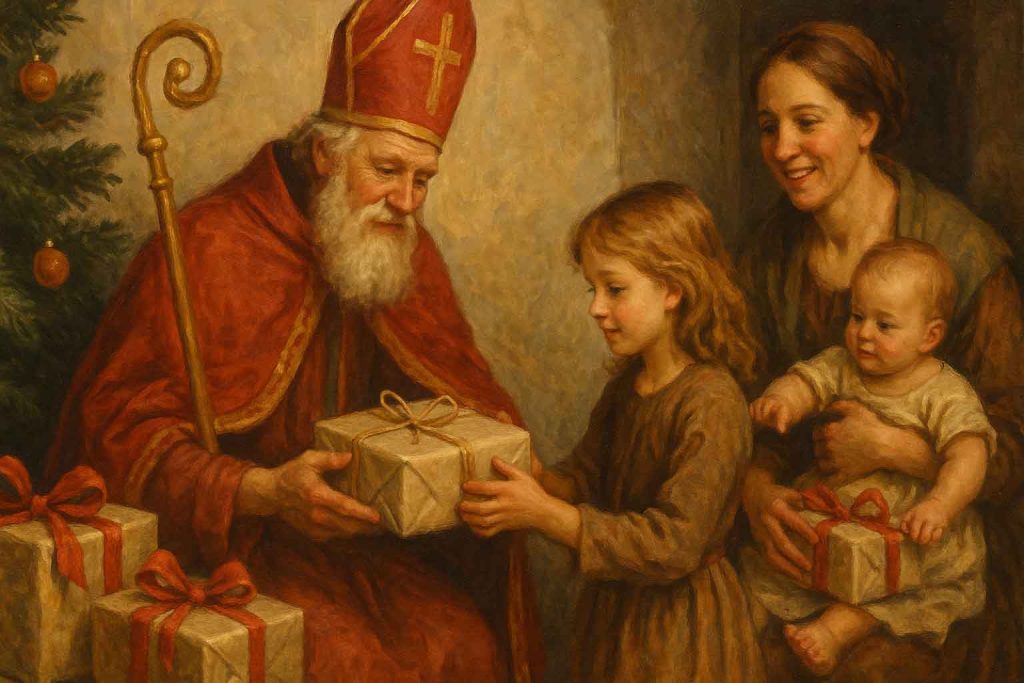
Christian stories also play a major role in shaping the tradition. The Biblical account of the Magi presenting gifts to the infant Jesus became a powerful symbol of reverence and offering. Many believers view modern gift giving as a reflection of that moment—an opportunity to show love, honor, and gratitude toward others.
This spiritual connection influences the deeper meaning of christmas gifts, shifting the focus from material value to generosity and selfless giving. For many families, the act of exchanging presents is closely tied to their understanding of faith and compassion.

From Ritual to Widespread Tradition
As Christianity spread and societies changed, gift giving gradually moved from small symbolic gestures to an established part of Christmas celebrations. Families began preparing specific presents for children and loved ones, reinforcing the idea that Christmas was a time to demonstrate care through tangible offerings.
This progression, documented throughout christmas shopping history, shows how religious inspiration, cultural habits, and emerging commercial practices merged into the familiar ritual of exchanging gifts that we see today.
The Emotional Purpose of Christmas Gifts
Beyond historical roots, there are powerful emotional reasons why we exchange gifts on christmas. Gifts help people express feelings that may be difficult to put into words. They can symbolize love, appreciation, support, or reconciliation, making them powerful tools for maintaining and strengthening relationships.
Gifts as Expressions of Love and Appreciation
Many people use Christmas as a structured opportunity to show affection. A carefully chosen book, piece of jewelry, or framed photograph signals that the giver understands and values the recipient. For parents, partners, and close friends, the right gift confirms that their relationship is important and seen.
In this sense, gifts serve as emotional messages. They say “I remember what matters to you” or “I am proud of who you are,” even without a long conversation. This emotional function is a key reason why we exchange gifts on christmas instead of treating the day as an ordinary gathering.
Why Gifts Strengthen Social Bonds
Gift giving also supports social harmony. Within families, it helps balance attention among members; within communities, it reinforces generosity and reciprocity. Psychologists note that giving can create a sense of happiness and connection for the giver as well as the recipient, strengthening the bond between them.
When people think about the purpose of christmas gifts in this way, the emphasis shifts from obligation to relationship building. The act of giving becomes just as meaningful as the item itself.
The Role of Memory and Symbolism
Objects received at Christmas can become powerful memory anchors. A childhood toy, an ornament from a special trip, or a handmade item from a loved one often carries emotional weight long after the holidays. These items help preserve stories, traditions, and moments that might otherwise fade.
For many families, this is another answer to why we exchange gifts on christmas: gifts give them something tangible to remember significant seasons of life, from first homes and new jobs to marriages and births.
Cultural and Social Reasons Behind Gift Exchange
Culture and society also shape the practice of Christmas gifting. While individual families have their own rituals, broader social expectations influence everything from how many gifts people give to how much they feel they “should” spend.
Influence of Cultural Traditions
Different cultural backgrounds bring different expectations to Christmas. Some emphasize large family gatherings with many gifts; others focus on a few symbolic items or experiences. In multicultural societies like the United States, these traditions blend together, creating a diverse landscape of gifting practices.
This variety means that why we exchange gifts on christmas can depend heavily on personal heritage. For some, it is primarily a religious tradition; for others, it is a cultural holiday centered on family, generosity, and shared enjoyment.
The Impact of Media and Modern Lifestyle
Movies, advertising, and social media have also influenced Christmas gifting. Holiday films often depict dramatic gift exchanges, surprise reveals, or elaborate shopping trips. Marketing campaigns encourage people to associate specific products with affection and success.
While this commercial perspective sometimes leads to overspending or pressure, it also raises awareness of the season as a time to connect. Many families now intentionally balance these influences with more thoughtful approaches, focusing on meaningful presents rather than sheer quantity.
Personalization and Creative Gift Choices
In recent years, there has been a strong shift toward creative christmas gifts that reflect individual identity and personal stories. Customized items, handmade pieces, and experience-based gifts allow people to express love and appreciation in unique ways.
This trend reinforces the idea that the best answer to why we exchange gifts on christmas is not “because we have to” but “because we want to show each other that we care in a way that feels personal and memorable.”
How Gift Giving Reflects Today’s Christmas Values
The way people give and receive gifts reveals how they view Christmas itself. For some, the focus is on faith; for others, on family or community. In all cases, gift exchange provides a lens through which modern values can be seen more clearly.
Intentional and Thoughtful Gifting
More households are moving away from last-minute shopping and toward intentional planning. Rather than buying many small items, they may choose a single meaningful gift or experience. This approach better aligns with values like mindfulness, sustainability, and emotional authenticity.
Intention-based gifting ensures that presents support the true purpose of christmas gifts: to communicate care, understanding, and generosity.
Balancing Tradition and Modern Expression
Families continually refine how they celebrate. Some keep long-established rituals, while others redesign their holidays around new priorities such as minimalism, charitable giving, or time spent together. Regardless of style, exchanging gifts remains a powerful symbol that connects past, present, and future generations.
As long as people value connection, gratitude, and shared joy, the practice of giving and receiving gifts on Christmas is likely to continue evolving rather than disappearing.
The Future of Christmas Gifting
Looking ahead, digital experiences, sustainable products, and cause-based donations may play an even larger role in gifting. Yet the core reasons why we exchange gifts on christmas will likely stay the same: to show love, strengthen relationships, and express what words alone cannot.
Whether gifts take the form of physical objects, shared experiences, or supportive gestures, they will remain a central way people bring meaning to the holiday season.
Frequently Asked Questions
Why do people exchange gifts on Christmas?
People give gifts on Christmas to express love, gratitude, generosity, and spiritual or cultural values. The tradition draws from ancient winter festivals, Christian stories, and evolving family customs that all emphasize sharing and connection.
Is Christmas gift giving still meaningful in a commercial age?
Yes. While commercial influences are strong, many families use Christmas gifting as an intentional way to celebrate relationships. When gifts are chosen thoughtfully and connected to personal stories, the tradition remains deeply meaningful.
Do different cultures exchange gifts for different reasons?
Different cultures and families assign different meanings to gifts, from religious symbolism to community support. These variations influence how, when, and why people exchange presents, but the underlying desire to communicate care and respect is common across traditions.