
No products in the cart.

Christmas Gifts
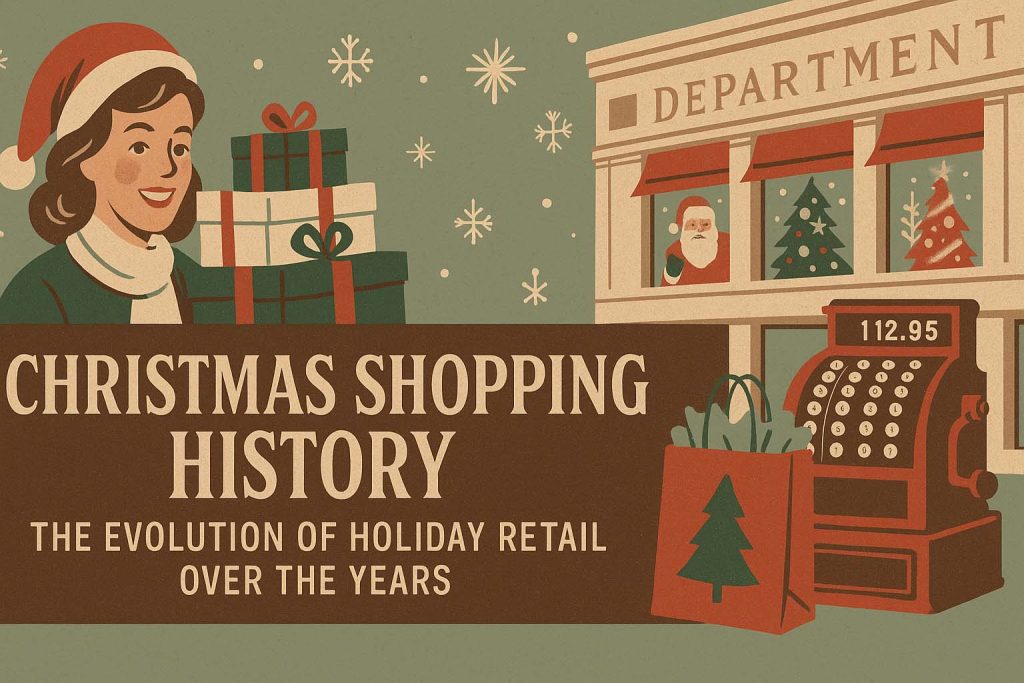
Christmas Shopping History: The Evolution of Holiday Retail Over the Years
03
Dec
Dec
Early Christmas Shopping Traditions
Long before modern malls and online carts, Christmas shopping was a slow, local, and highly personal process. Most households relied on nearby markets and craftspeople, and many gifts were handmade at home. Understanding these early traditions explains why gifting still feels so personal, even in a mass-produced world.
Community Markets and Handmade Goods
In the earliest eras of holiday retail, towns and villages often held winter markets where families could buy food, fabrics, candles, and simple toys. Purchases were limited by what local producers could supply, so most gifts were practical items: warm clothing, preserved foods, or basic household goods.
Many people also created gifts themselves. Knitted scarves, carved toys, and hand-sewn garments reflected both skill and affection. These practices are closely connected to the broader narrative of history of christmas gift giving, where gifts were viewed less as luxuries and more as tangible expressions of care.
The Influence of Local Craftspeople
Artisans played a central role in early holiday shopping. Blacksmiths, carpenters, weavers, and bakers supplied the special items that families reserved for Christmas. Because goods were produced in small quantities, customers often knew the maker personally, adding another layer of meaning to each purchase.
This intimate relationship between buyer and maker gave early Christmas shopping an almost community-wide feeling. The act of purchasing was also a way to support neighbors and sustain local traditions.
Seasonal and Limited Gift Availability
Before industrialization, there were no year-round holiday displays or massive inventories of products. Many items were only available around harvest time or during specific market days. Families had to plan ahead and sometimes save for months to afford special Christmas purchases.
This scarcity reinforced the idea that Christmas gifts were rare and valuable, not simply another form of routine spending. The limited selection also meant that shoppers focused more on thoughtfulness and need than on novelty.

The Rise of Modern Retail and Department Stores
The industrial revolution dramatically reshaped christmas shopping history. As factories produced goods on a larger scale and transportation networks expanded, people gained access to far more choices at lower prices. Shopping began to shift from necessity to experience.
Department Stores and Holiday Displays
In many cities, department stores became the new heart of Christmas retail. Large windows filled with festive displays drew crowds, and interior decorations turned shopping trips into holiday outings. Families traveled into town not only to buy gifts but also to admire the decorations and absorb the atmosphere.
These stores curated gift sections, making it easier for shoppers to browse options for different ages and budgets. The idea of a “one-stop” Christmas shopping destination took hold during this period.
Printed Advertising and Catalog Culture
Newspapers, magazines, and mail-order catalogs expanded the reach of holiday marketing. Retailers began promoting specific items as ideal gifts, suggesting trends and shaping expectations about what a “good” Christmas looked like.
Families living in rural areas could now order toys, clothing, and household goods from far-off cities. This extended the impact of city-based holiday retail into smaller communities and added new chapters to christmas shopping history.
Growing Accessibility and Mass Production
As factories grew more efficient, the cost of many products dropped. More households could afford to buy gifts rather than make everything by hand. This shift increased the number of items exchanged at Christmas and encouraged the idea that each family member should receive something special.
While some critics worried that commercialization would overshadow tradition, others appreciated the broader access to goods and the joy of expanding gift lists.
Post-War Consumer Culture and the Shopping Mall Era
After World War II, economic growth and suburban expansion reshaped the landscape of holiday retail. Shopping centers and malls became social hubs, and Christmas shopping turned into a major seasonal event.
The Dominance of Shopping Centers
Suburban malls revolutionized how people prepared for Christmas. With dozens of stores gathered under one roof, families could purchase toys, clothing, decorations, and food in a single trip. Holiday music, Santa photo booths, and giant trees created a festive environment designed to keep visitors engaged for hours.
These spaces turned Christmas shopping into a tradition of its own. Annual mall visits, often combined with dining out or seeing a movie, became part of many families’ December routines.
Global Traditions and Cultural Influence
As travel and media connected people around the world, shoppers were exposed to new ways of celebrating. Guides exploring christmas gift traditions around the world inspired retailers to introduce international foods, themed decorations, and imported gifts, adding diversity and creativity to store shelves.
This blending of cultural influences helped transform Christmas into a global retail season while also giving families more options to personalize their celebrations.
Family Rituals Around Holiday Shopping
By the late 20th century, many families treated their annual Christmas shopping trip as a key holiday ritual. Parents took children to choose ornaments, visit Santa, and hunt for that year’s most popular toys. These shared experiences became as memorable as the gifts themselves, reinforcing the emotional side of christmas shopping history.
The Digital Transformation of Christmas Shopping
The arrival of the internet and mobile technology ushered in the latest major shift in how people prepare for Christmas. Convenience, speed, and global access now define the experience for millions of shoppers.
E-Commerce and Online Marketplaces
Online retailers changed the pace and structure of holiday shopping. Consumers no longer needed to fight crowds or worry about store hours; they could browse, compare prices, and order gifts from home at any time. Reviews and recommendation engines helped shoppers discover new brands and unique products.
This digital convenience also widened the range of options, allowing small creators and niche brands to participate in global holiday sales.
Black Friday, Cyber Monday, and Seasonal Promotions
Retail events such as Black Friday and Cyber Monday have become fixtures in the modern Christmas season. These promotions shape when many people start shopping and how they allocate their budgets. While critics argue that such events can encourage overspending, supporters appreciate the opportunity to secure lower prices on major purchases.
Together, these sales periods mark key milestones in contemporary christmas shopping history, signaling the unofficial start of the holiday buying rush each year.
Personalization and Experience-Based Shopping
Today’s shoppers increasingly look beyond generic products to items that tell a story or reflect personal identity. Many people seek creative christmas gifts that feel unique and emotionally resonant, whether they are handcrafted, customized, or tied to shared experiences.
Technology supports this trend through personalized recommendations, small-batch online shops, and platforms that connect buyers directly with makers. Articles from trusted business publications, such as overviews of online retail trends, highlight how personalization and values-driven shopping are redefining the holiday marketplace.
What Christmas Shopping History Reveals About Today’s Holidays
Looking back at centuries of change, one theme stands out: while tools and locations have evolved, the core purpose of Christmas shopping remains the same. People want to show love, appreciation, and connection through meaningful gifts, whether they buy them at a village market or with a few taps on a phone.
Balancing Convenience and Connection
Modern shoppers balance speed and convenience with the desire for authenticity. Online platforms make it easy to handle logistics, but many families still cherish in-person traditions such as visiting decorated streets, attending holiday events, or browsing local craft fairs.
Understanding christmas shopping history can help today’s consumers choose which parts of the past to preserve—handmade touches, thoughtful selection—and which innovations to embrace, such as time-saving digital tools.
The Future of Christmas Retail
Looking ahead, sustainability, ethical production, and community support are likely to play larger roles in holiday retail. Consumers may continue shifting toward fewer but more meaningful purchases, experience-based gifts, and products from small or mission-driven businesses.
Whatever changes come next, the evolution of Christmas shopping demonstrates that the holiday season is always being rewritten by the people who celebrate it. Each generation adds its own chapter to a long and ongoing story.
Frequently Asked Questions
When did Christmas shopping become a widespread tradition?
Christmas shopping became more widespread during the 19th century, when industrialization, department stores, and printed advertising made a wider range of goods available to more people at affordable prices.
How has digital technology changed Christmas shopping?
Digital technology introduced online marketplaces, mobile apps, and fast shipping, allowing shoppers to compare options instantly and order gifts from almost anywhere. It also expanded access to small brands and independent makers.
Do people in other countries shop differently for Christmas?
Yes. Different cultures emphasize different types of gifts, shopping times, and traditions. Some focus on simple symbolic gifts, others on large family celebrations or regional foods. These variations add diversity to today’s global Christmas shopping landscape.